
Exactly nine months to the day, we had a meeting to finalize Gabi’s tea party. We first started talking about this event way back on October 8, 2017.

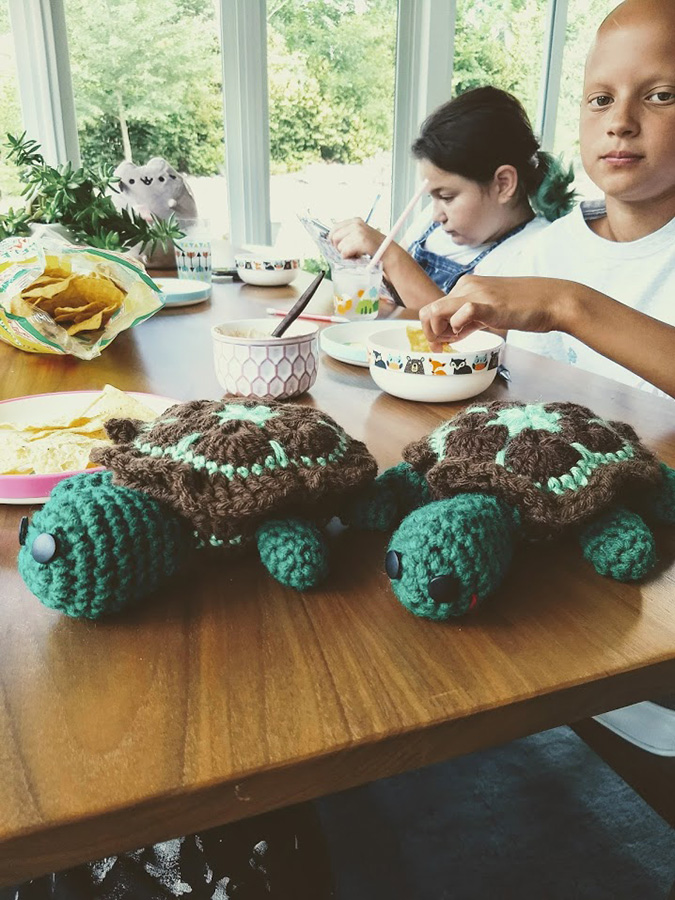
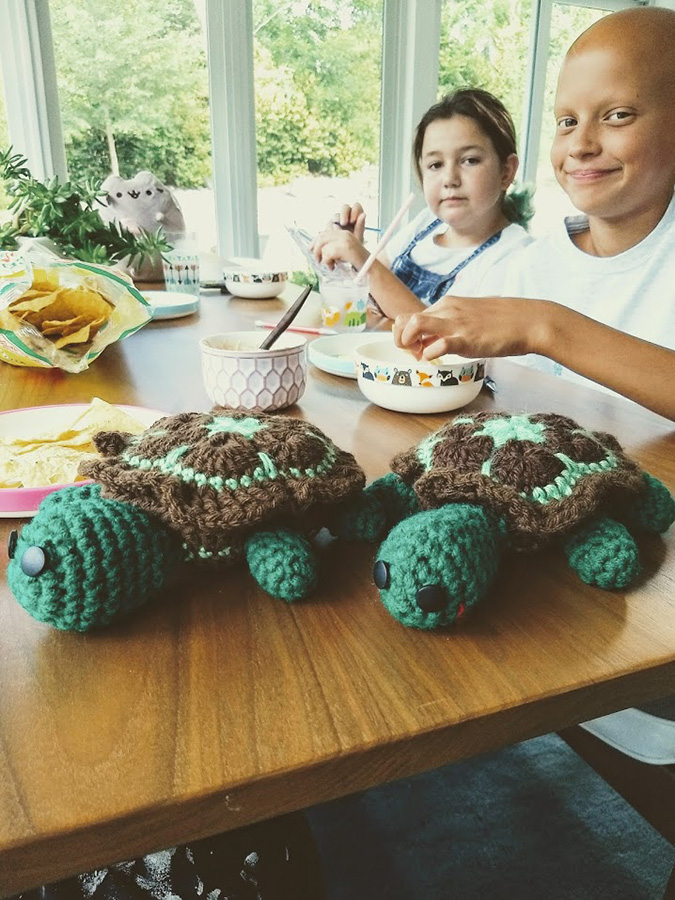
SLAC friend, Amy Jones, used her hands and a crochet hook to make three fantastic stuffed Crakers for the club. We gave one to Viviana, then it was just a matter of deciding which one to keep for the club and which one to give to Craker’s Care Team. This was a lengthy and intensely debated decision. There are subtle differences between the two turtles, and the girls wanted each one to go to the right home.

After talking about our need for club t-shirts in a color other than white, it was time to move outside and start digging in our science graveyard. Some of our specimens had been buried since December so we thought they might be ready to examine.
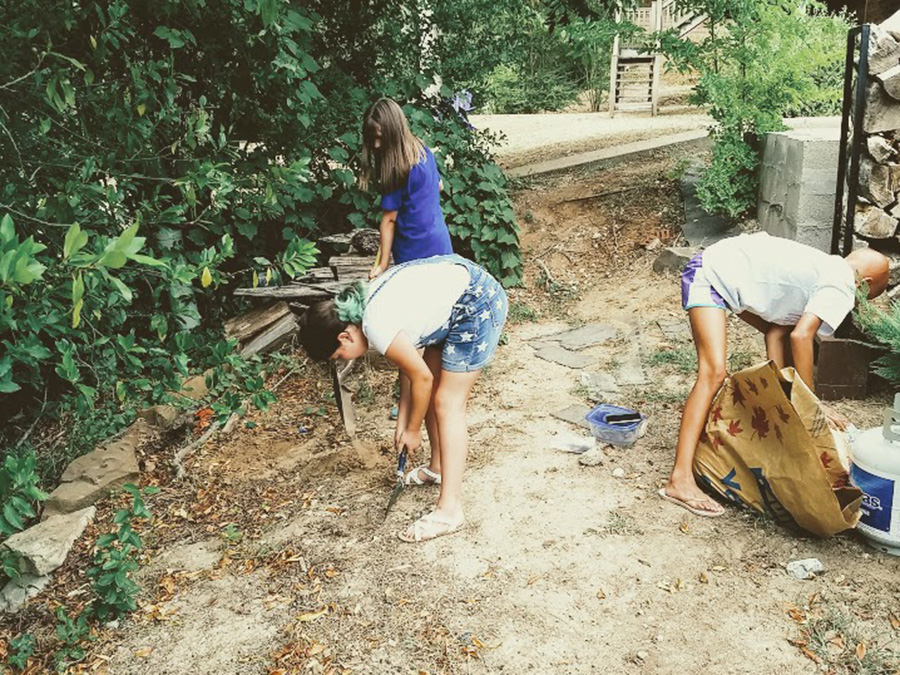
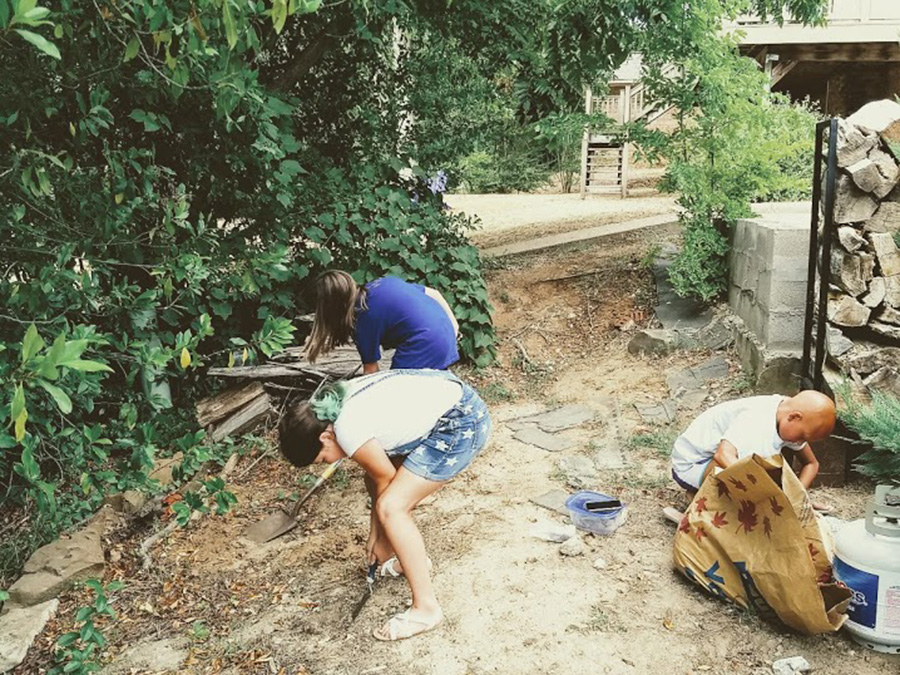
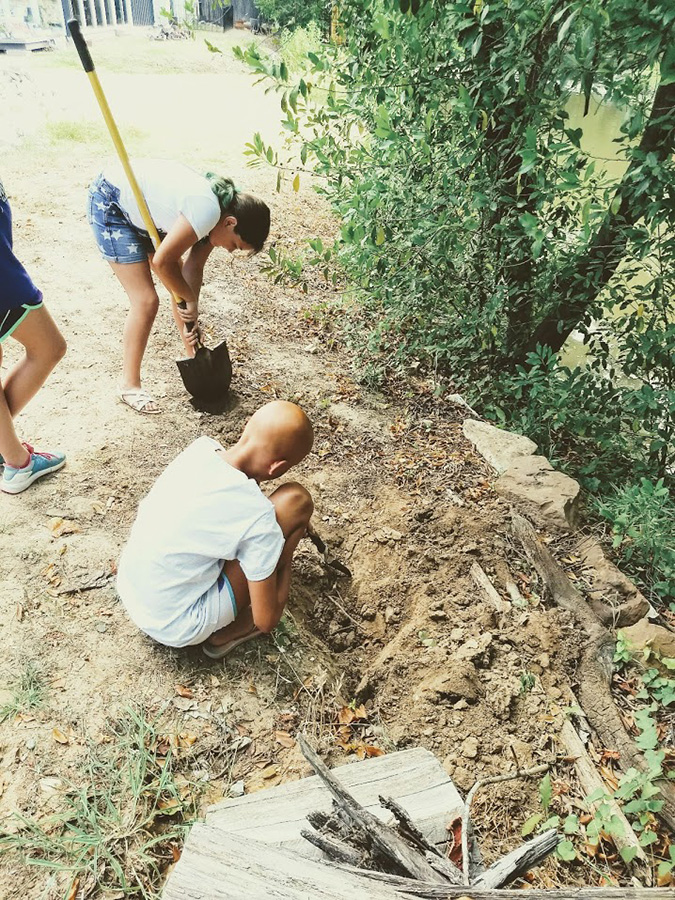
Unfortunately, we had a hard time finding them. It’s possible we didn’t mark the locations exactly right, but we all agreed to place the blame squarely on the shoulders of the cable company that dug a trench for a new line right through our science graveyard.
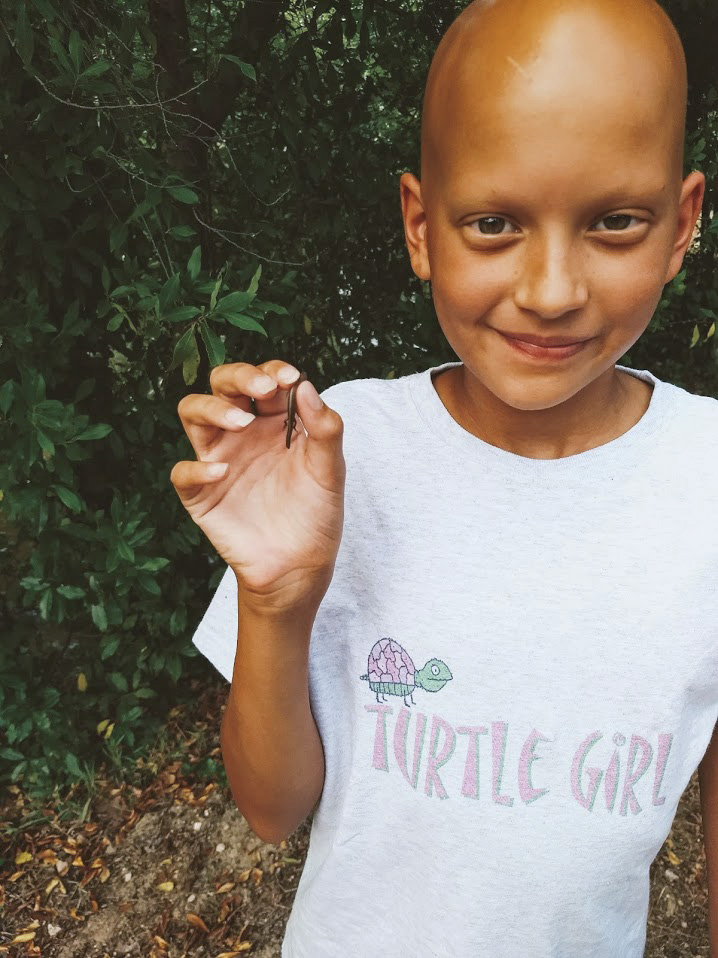
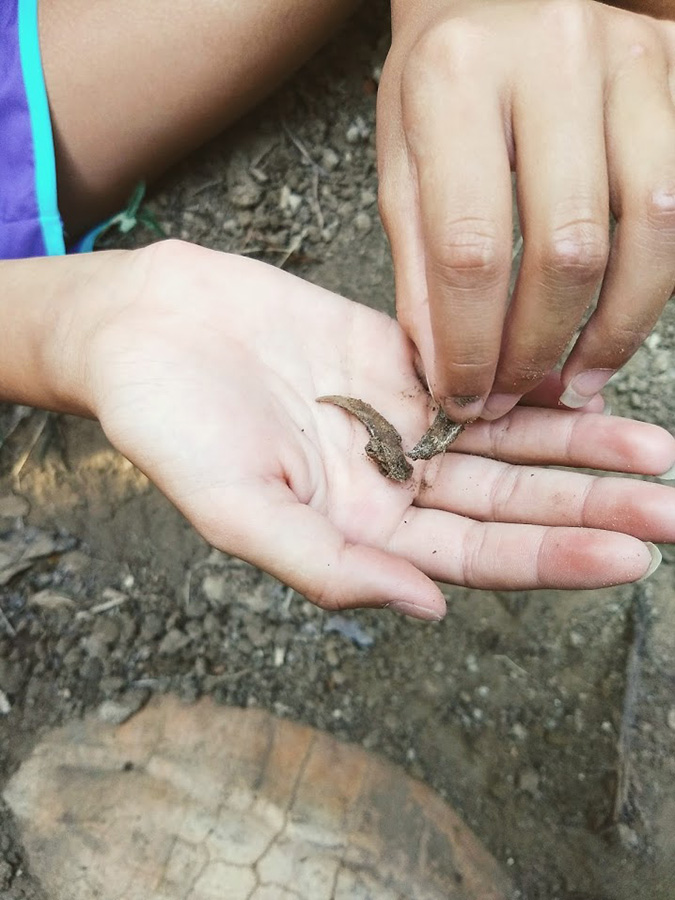
We had a nice little break when some tiny friends flocked to our lizard whisperer.
This is the tiniest Texas spiny lizard we’ve seen.
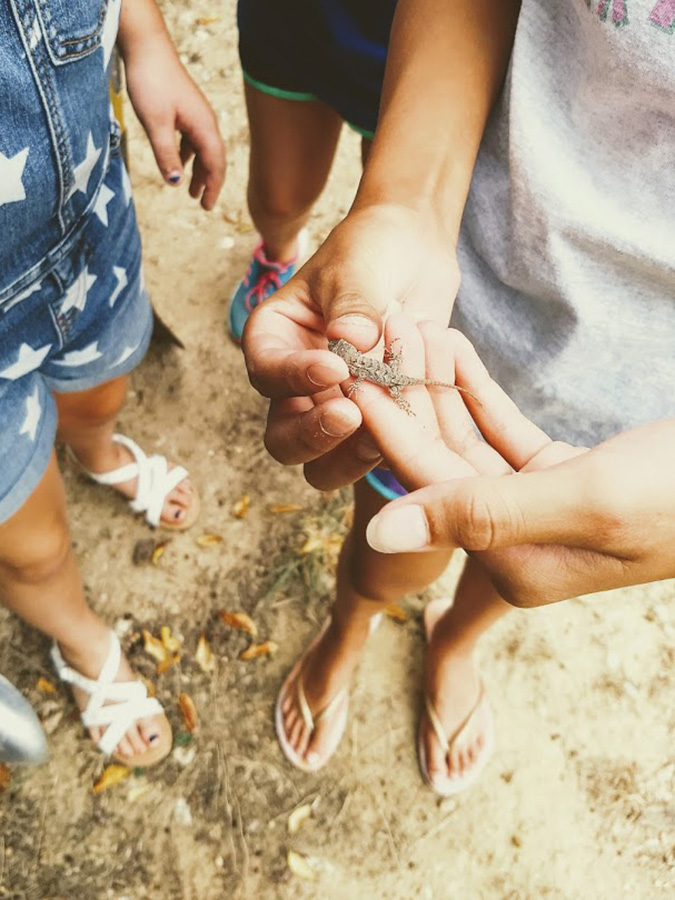
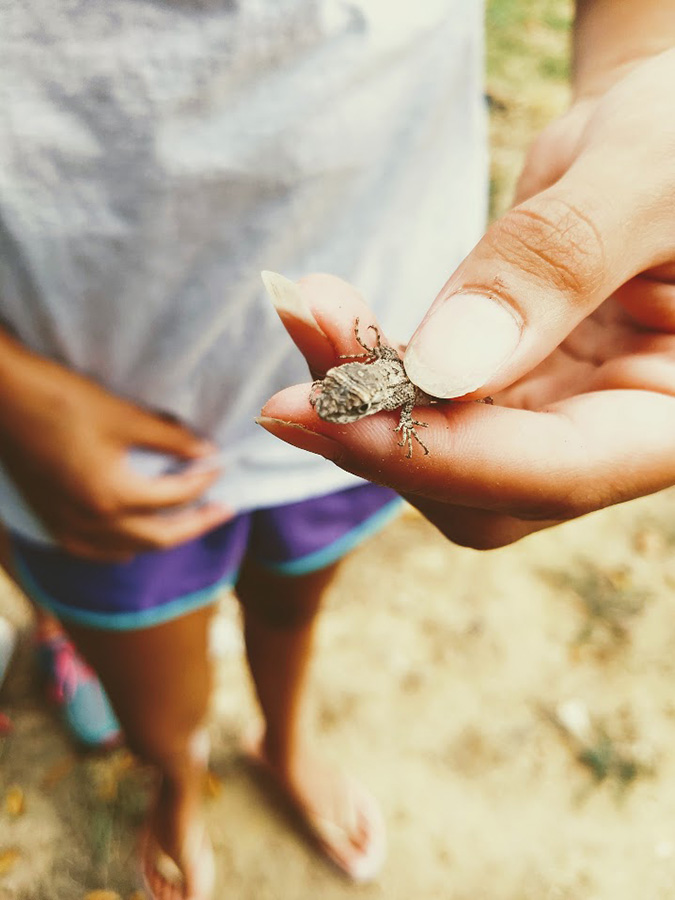
Little brown skink- Scincella lateralis (many thanks to mentor Viviana for giving us the full scientific name of this little guy!).
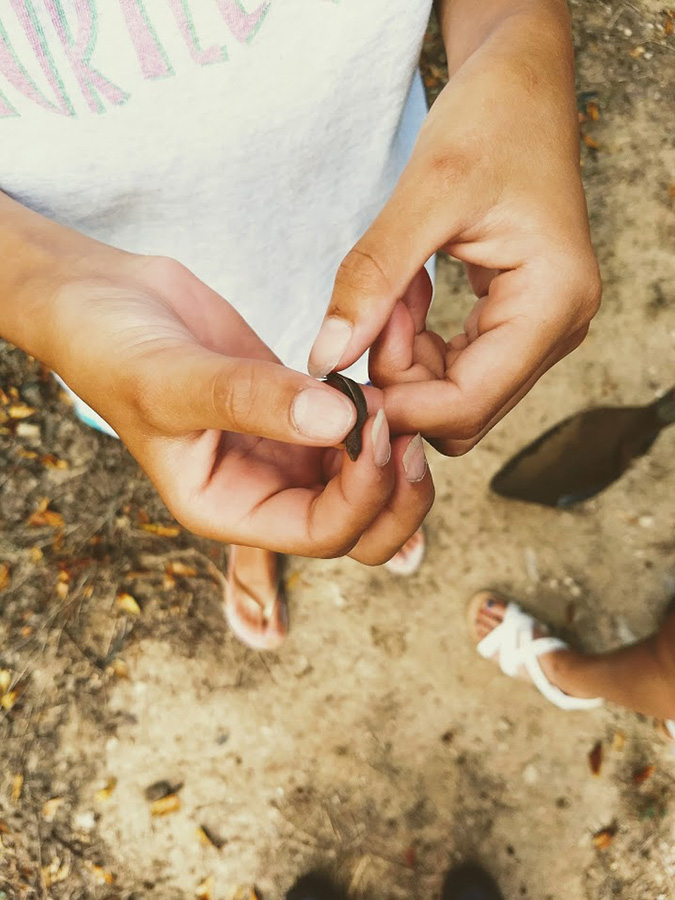
After our lizard-y distraction, we decided to postpone digging in the area where the cable company plowed through.
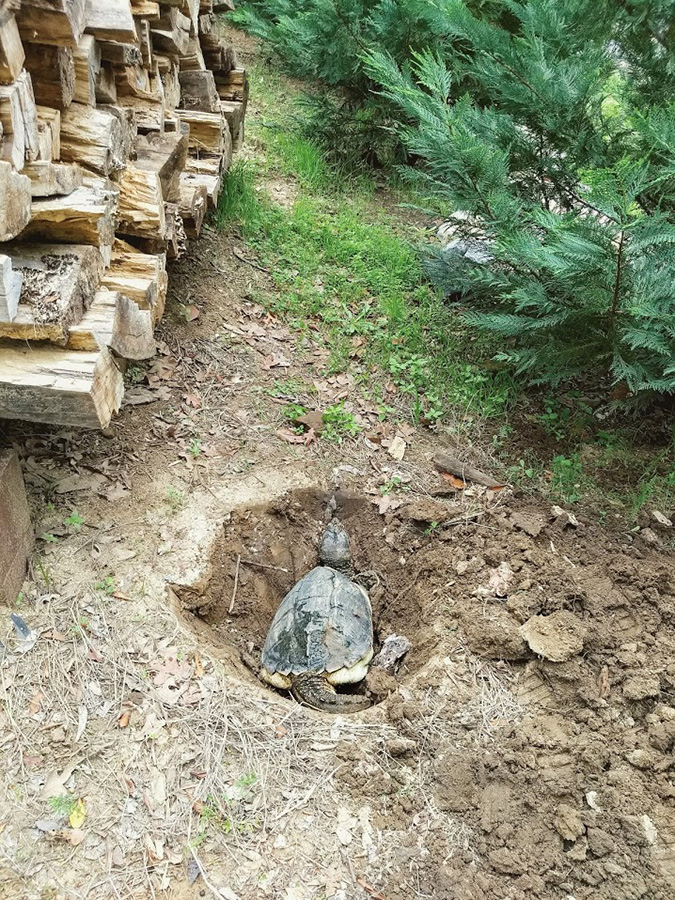
One of the SLAC-kers suggested checking on the large snapping turtle buried just three months before. It was a risky move because he was a large animal and we didn’t know if we had given nature enough time to work its magic.
We discovered fairly quickly that we would have some good stuff to examine.

For reference, this is how he looked in April.
Yes, those are professional archeological tools right there.
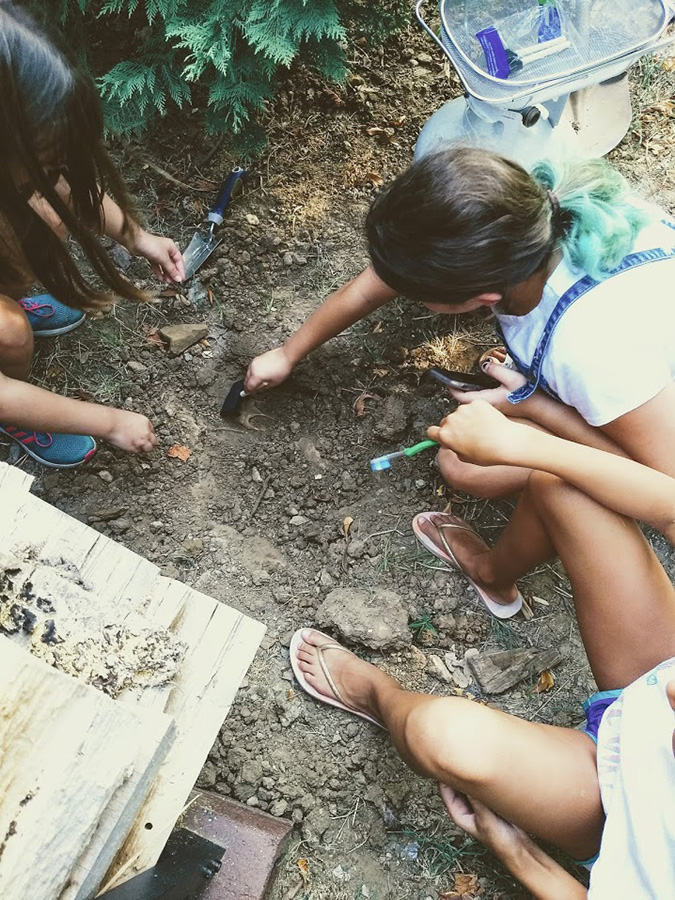
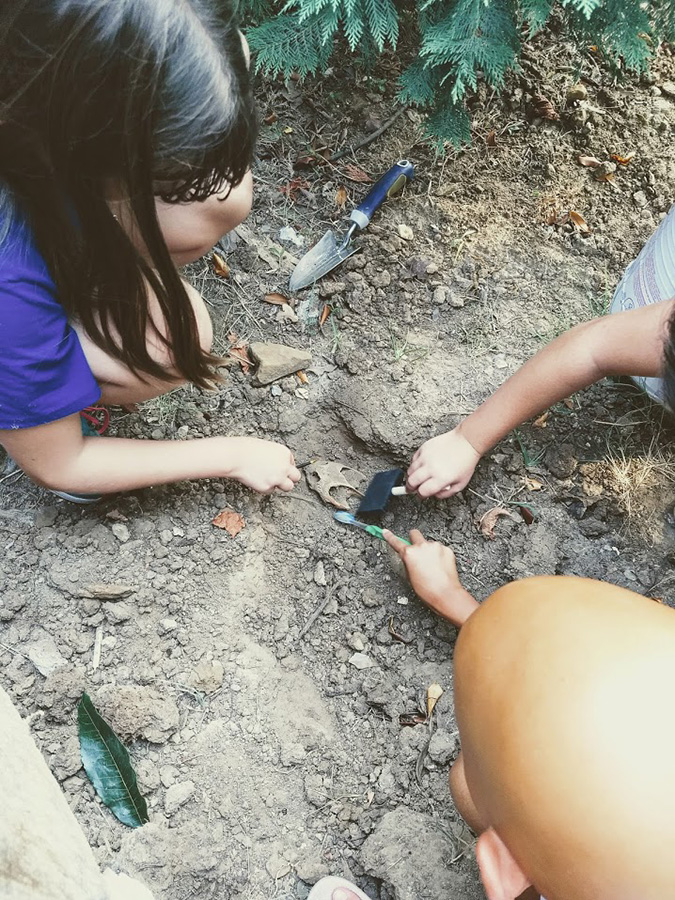

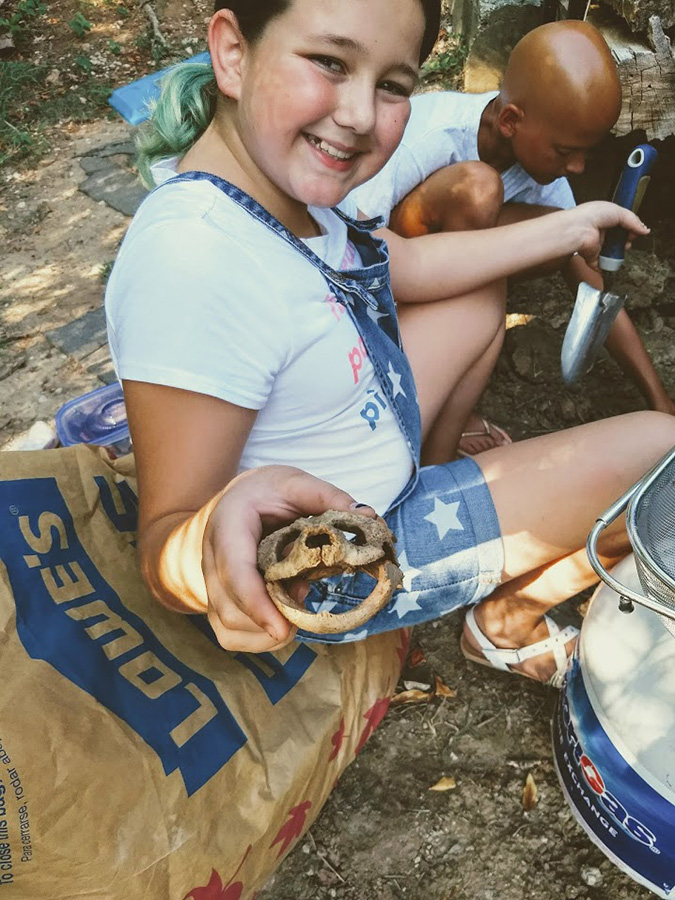
We slowed down our work when we realized there were small bits of turtle everywhere.
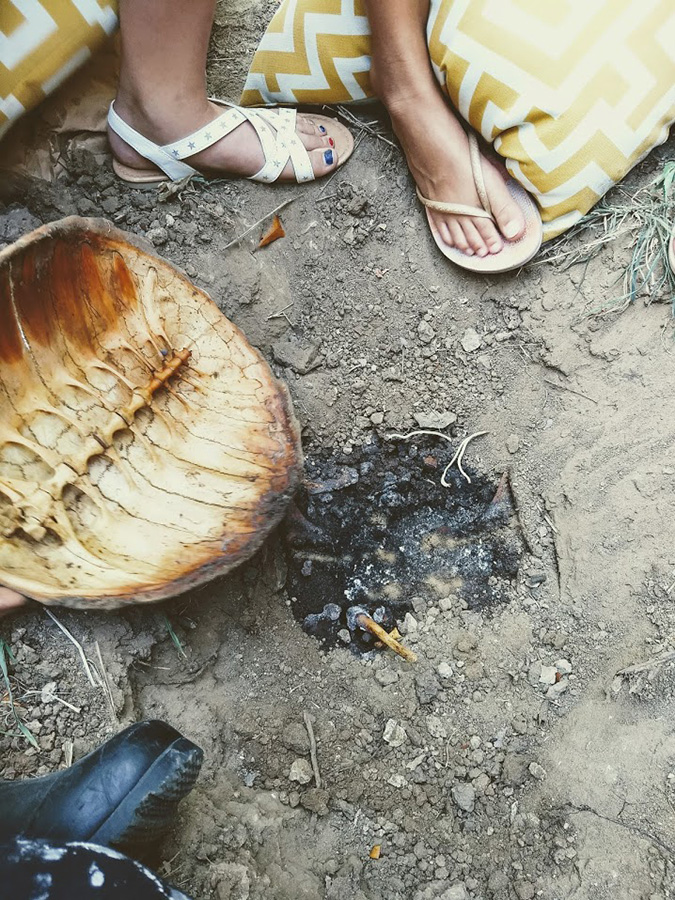
We discovered that archeological dig sites are uncomfortable places. A few cushions fixed that for us.
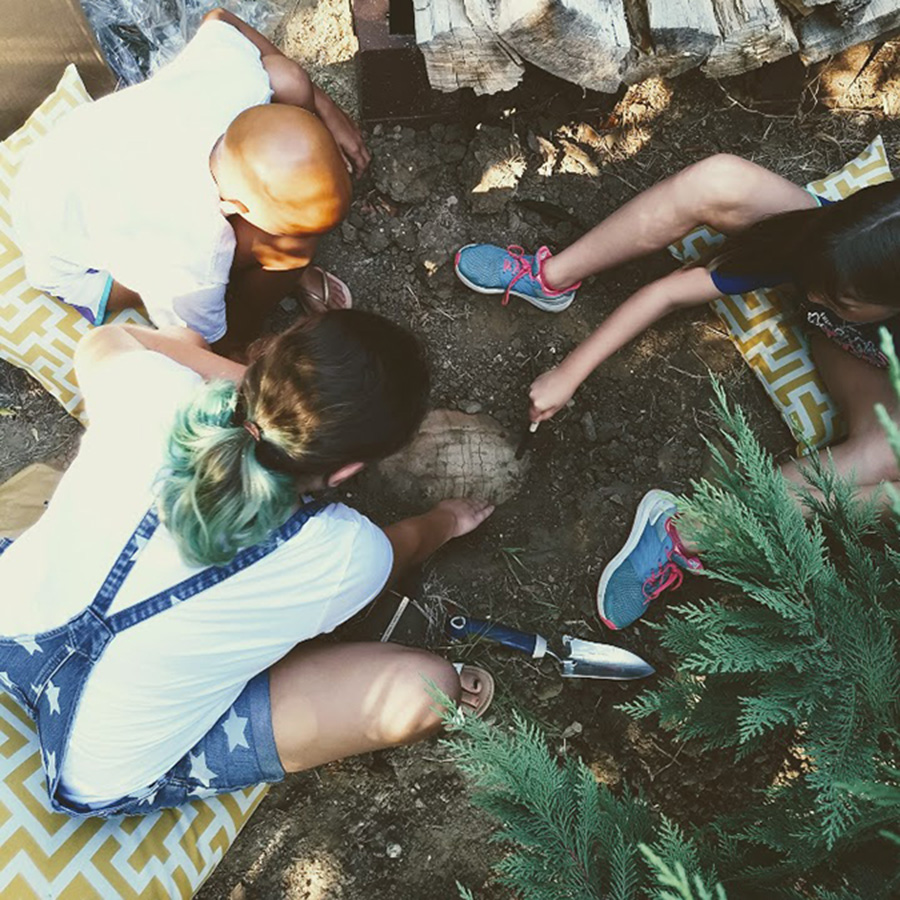
This SLAC-ker took on the role of sifter. Every scoop of dirt had to go through her. More than once we heard her yell, “Excuse me! THAT goes HERE!” as we dumped a spade of dirt on the side of the hole. She took this job seriously. We’re all so grateful she kept us in line—we would’ve lost so many tiny bones and bits without her diligence.

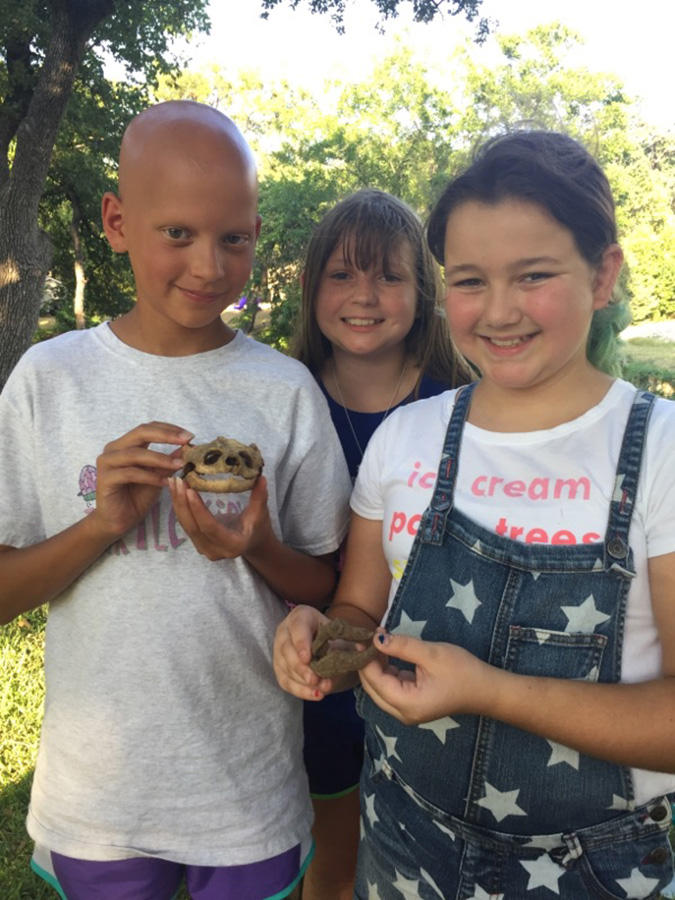
The girls were so excited to find his skull, but they were also thrilled that so many of his scutes remained intact. Scutes cover a turtle’s shell and are made from a form of flexible keratin. Turtles often shed their scutes as their shell grows. We had to be very careful not to discard a scute thinking it was a dried up leaf.
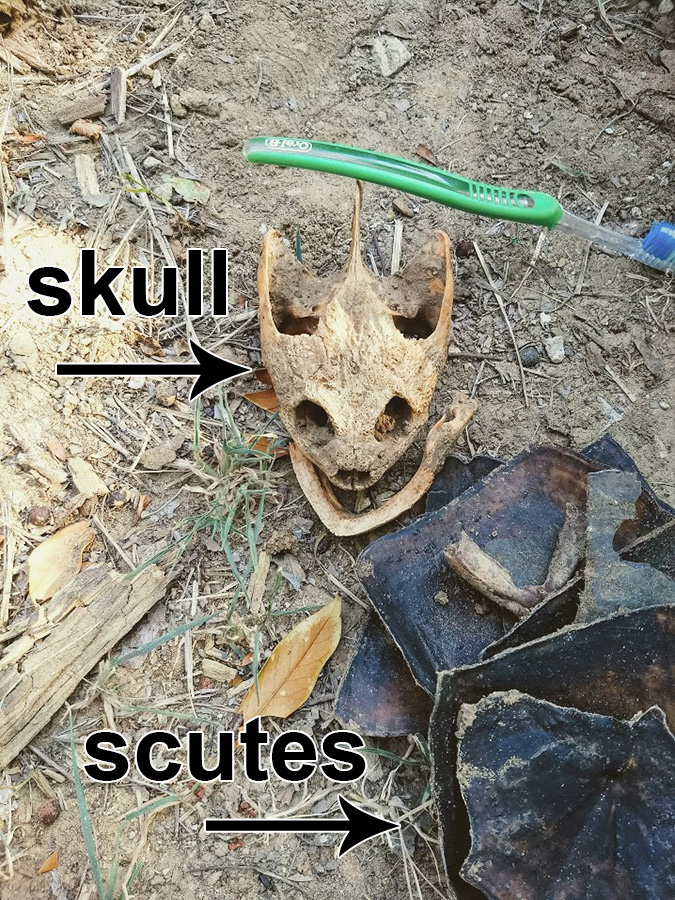
Here a SLAC-ker carefully removes dirt from a bone.

After a while, our sifter became quite heavy. Sifting turned into a two-person job.
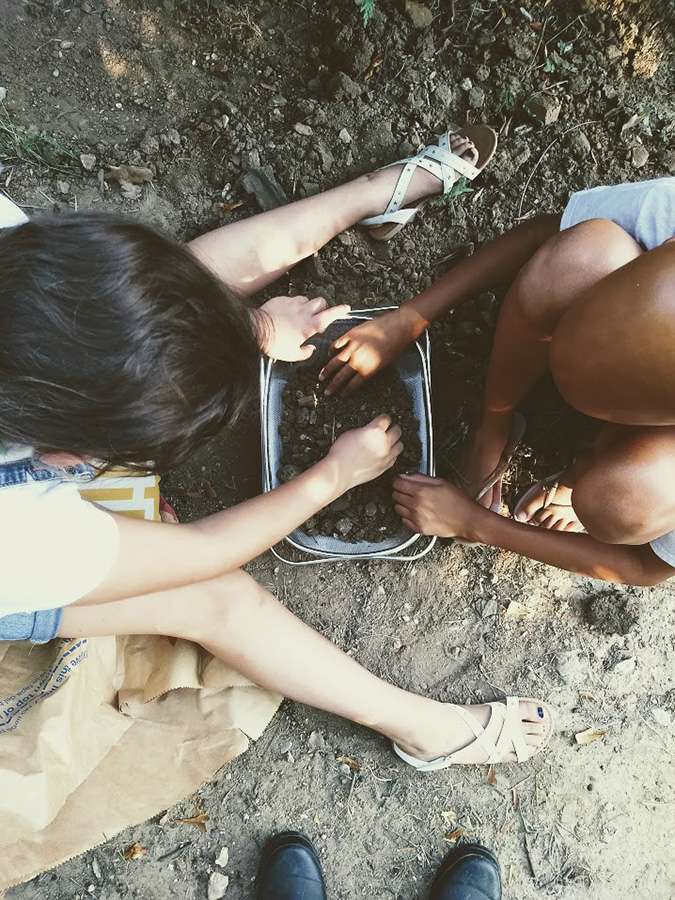
Action shot.

We finally removed enough dirt to lift the turtle’s shell without damaging anything. That’s when we discovered that three months might not be long enough for nature to do its work. There was still a fair amount of decomposing matter. It didn’t take much discussion to decide we didn’t want any part of that. So, we took the clean pieces and covered up the rest. We’ll continue this adventure another day.
The kiddos and their buried treasure.

 Chronicles of the Spring Lake Adventure Club