
Prep work for our first ever turtle survey! So much activity! So much excitement! It was like Christmas Eve, but warmer and considerably dirtier. 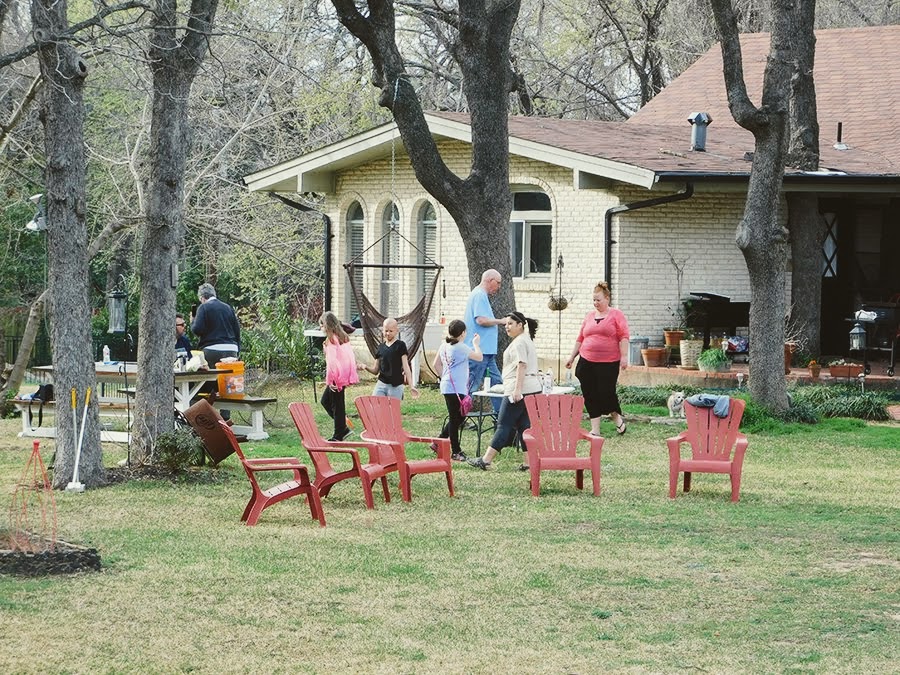
And much like Christmas Eve, we had out-of-town visitors. We were all thrilled two of our SLAC mentors put their home renovations on hold so they could drive across a couple of states to join in the fun.

SLAC mentor and wildlife conservationist, Viviana Ricardez Perkins, brought nets and knowledge.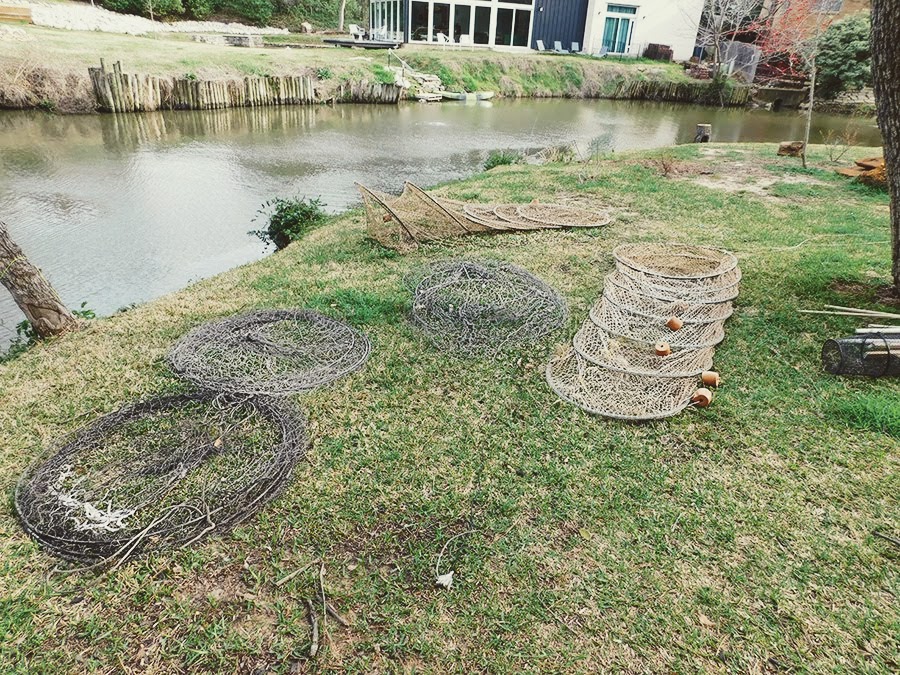
SLAC-kers provided bait. They also used this as an opportunity to do a little experiment. They hoped to track which bait bottles lured more turtles: stinky chicken feet or… 
…fruit. We know which bait bottles we preferred.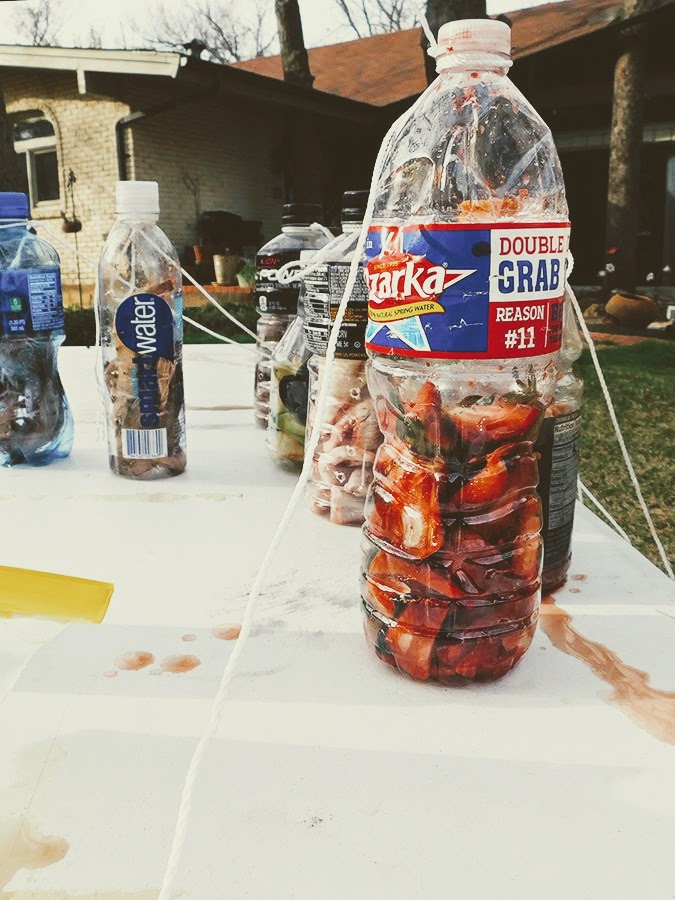
Viviana presented the girls with their very own waterproof field notebooks. 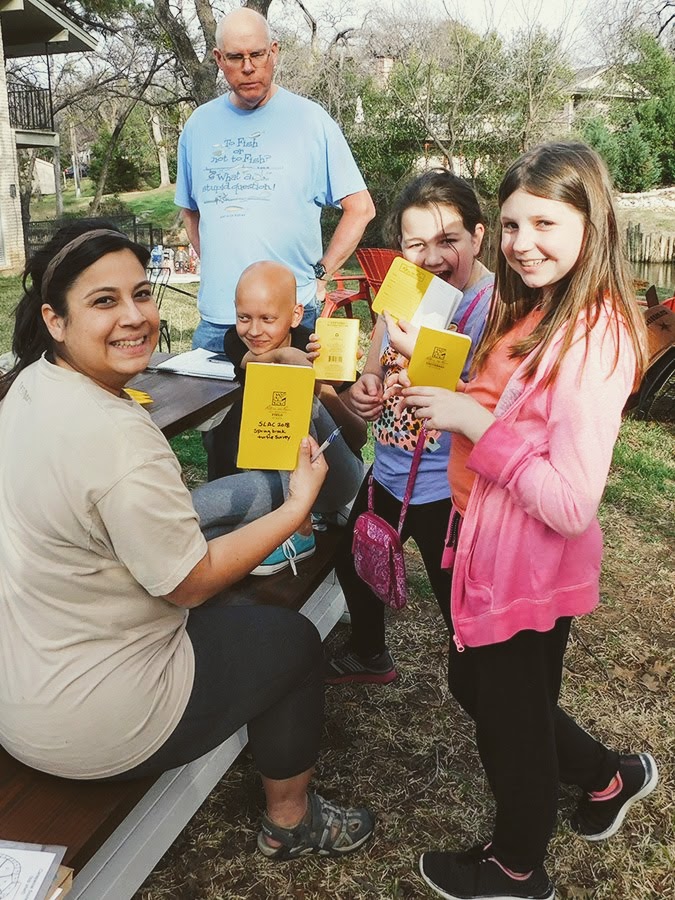
And she explained the importance of treating the equipment on loan to us with respect.
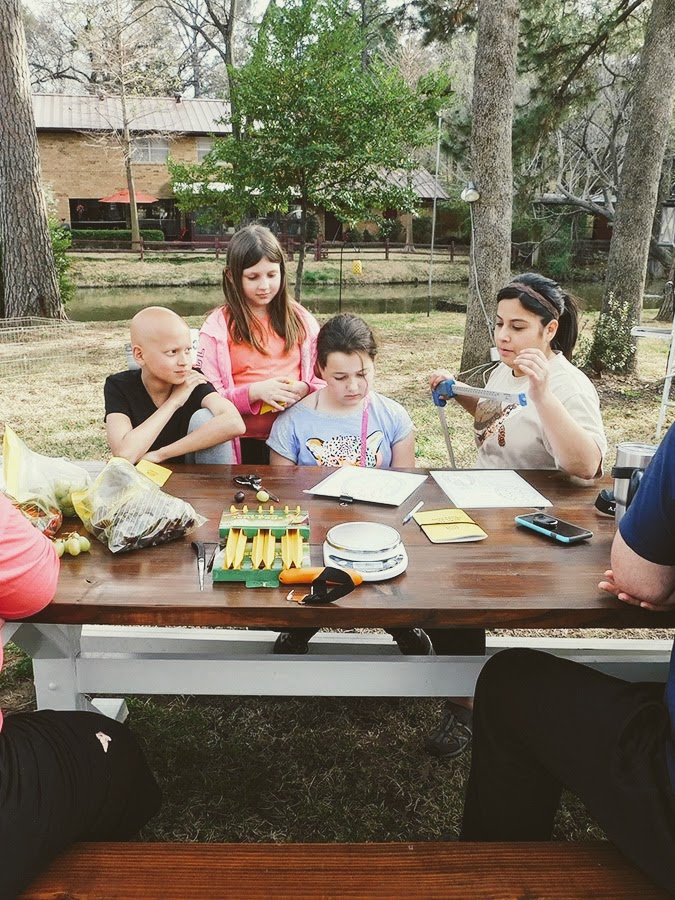
Viviana explained the different columns for data collection in their field notebooks. 
Carl Franklin dropped by to check on us.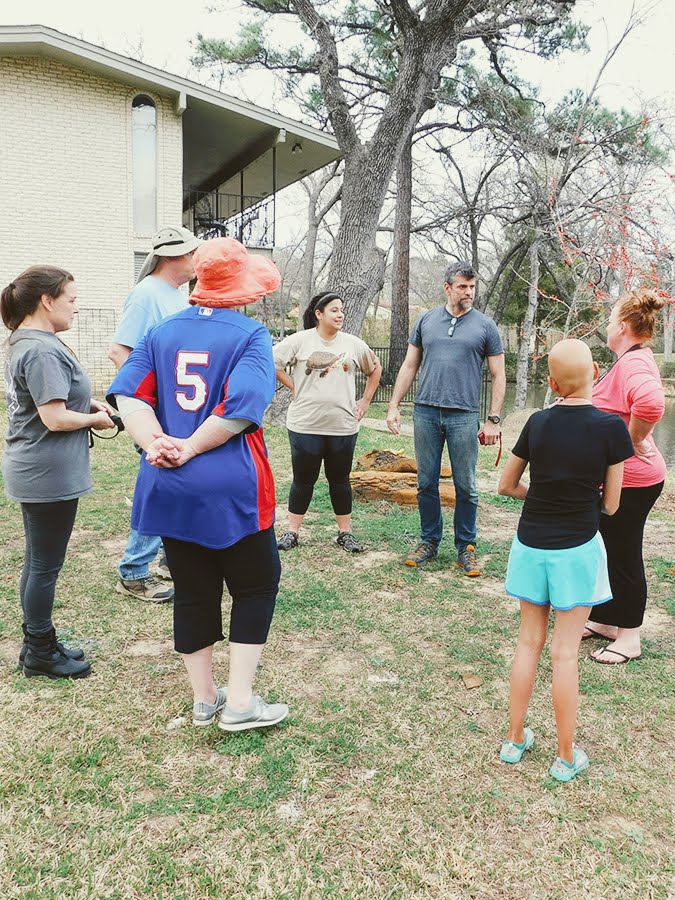
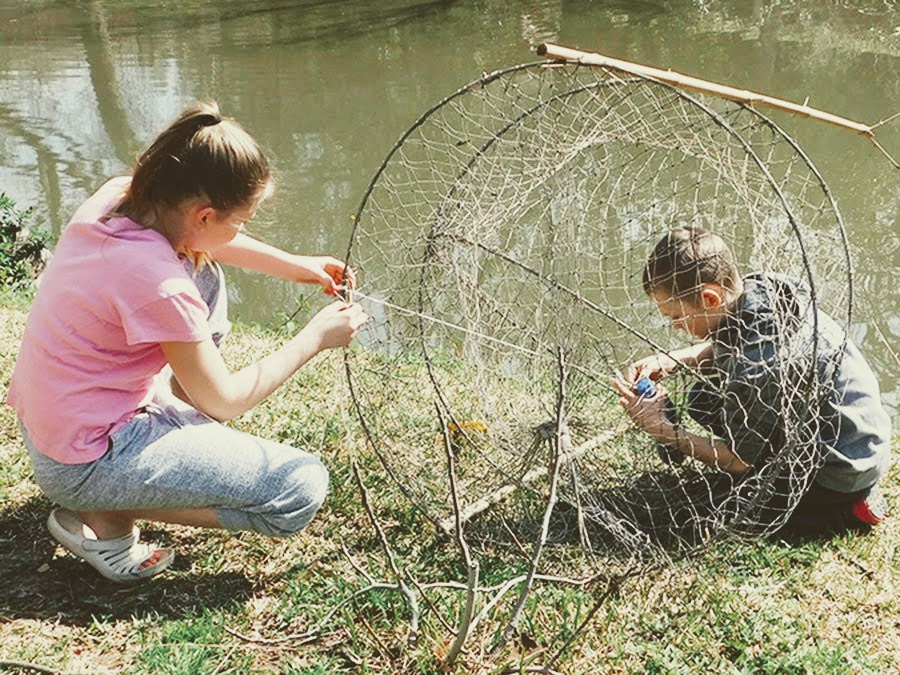
One SLAC-ker helped with a trap while another SLAC-ker documented the process. 
Setting turtle traps is not a one-person job.
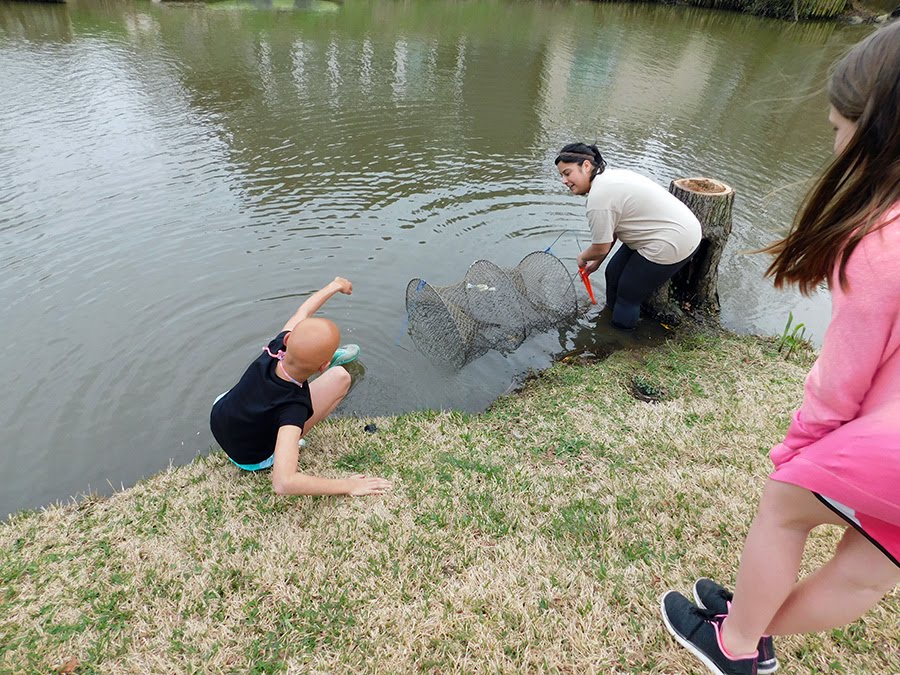
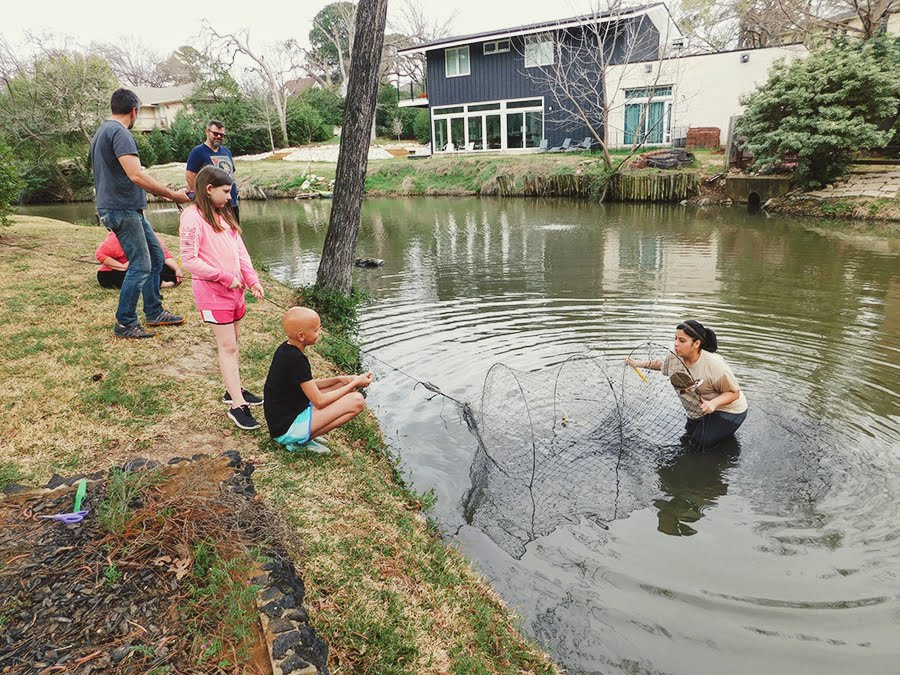
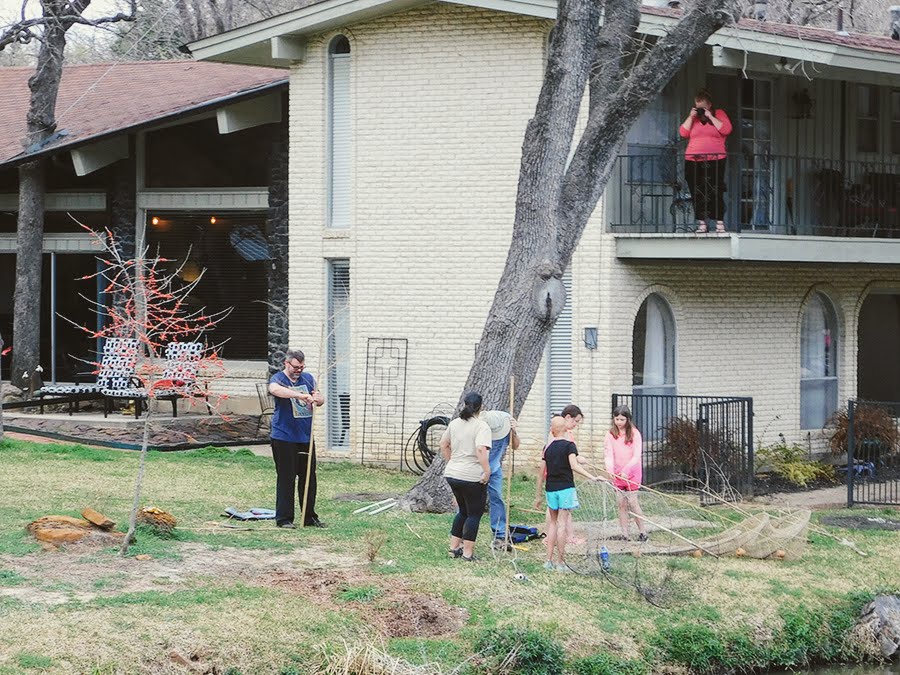
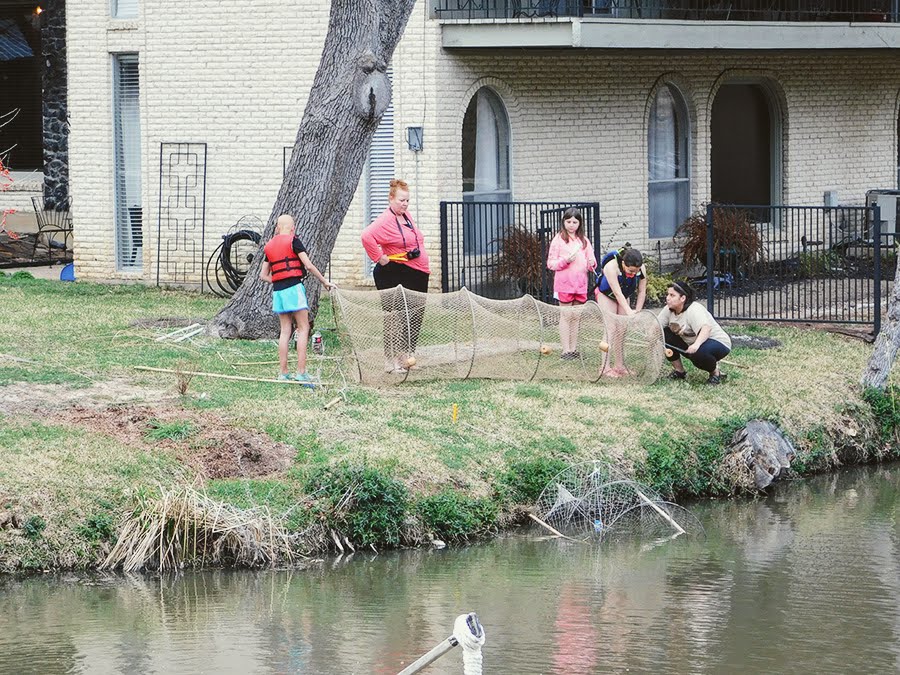
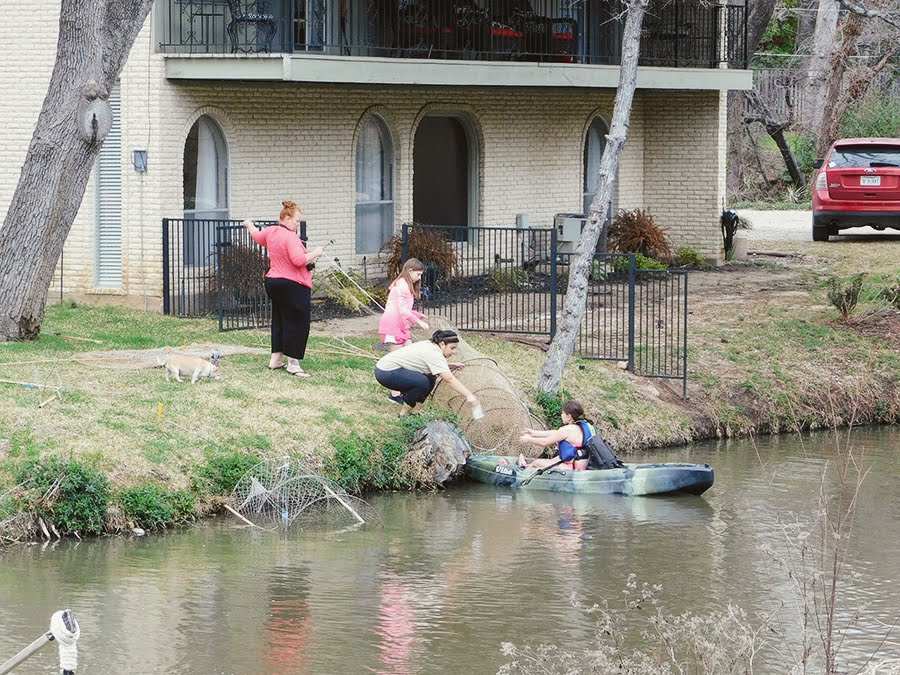
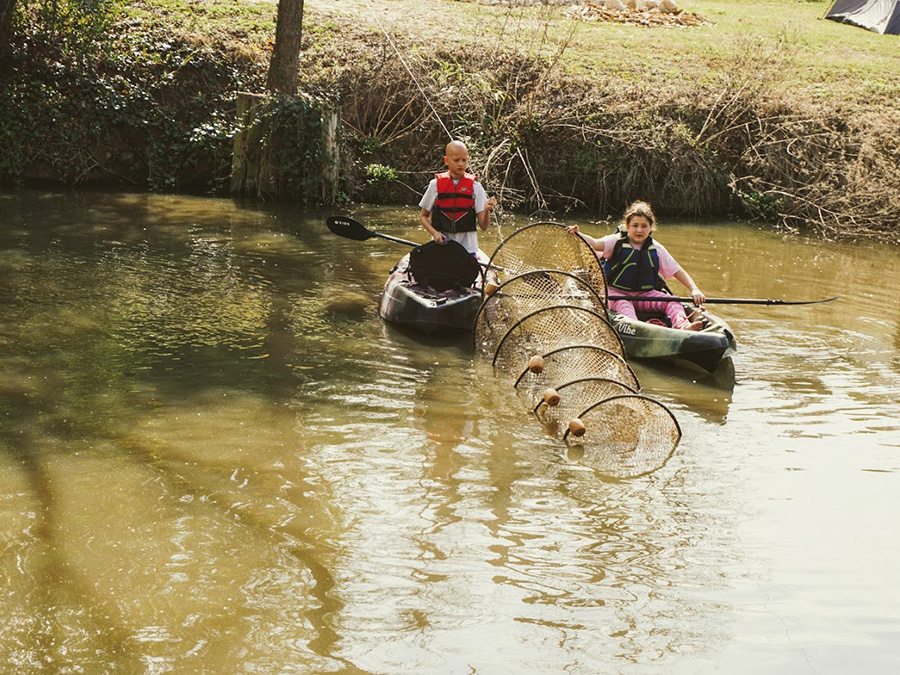
And sometimes setting traps involves boats.

Look at that smile.

And this smile too.
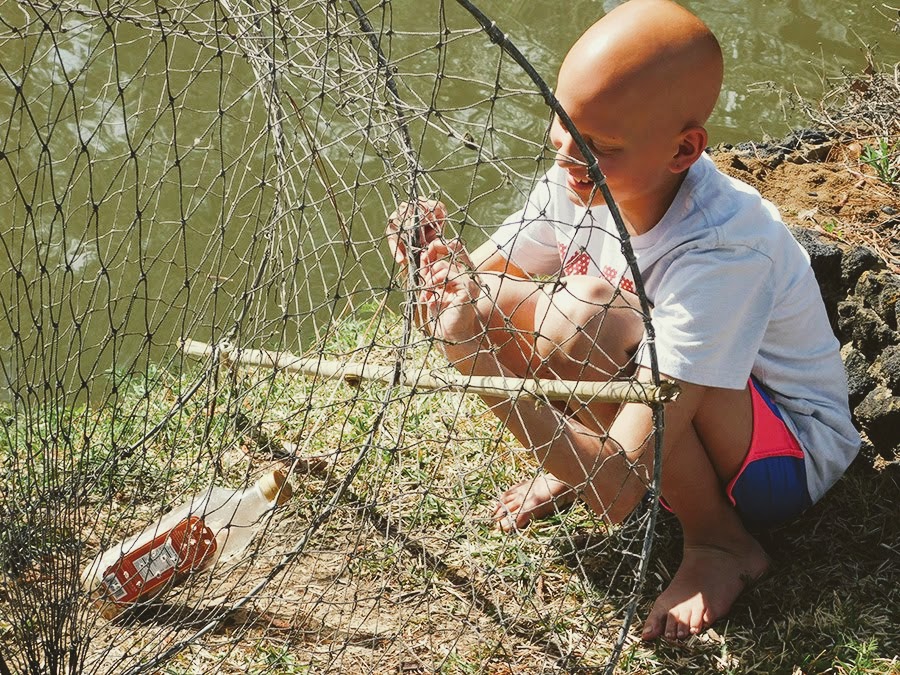
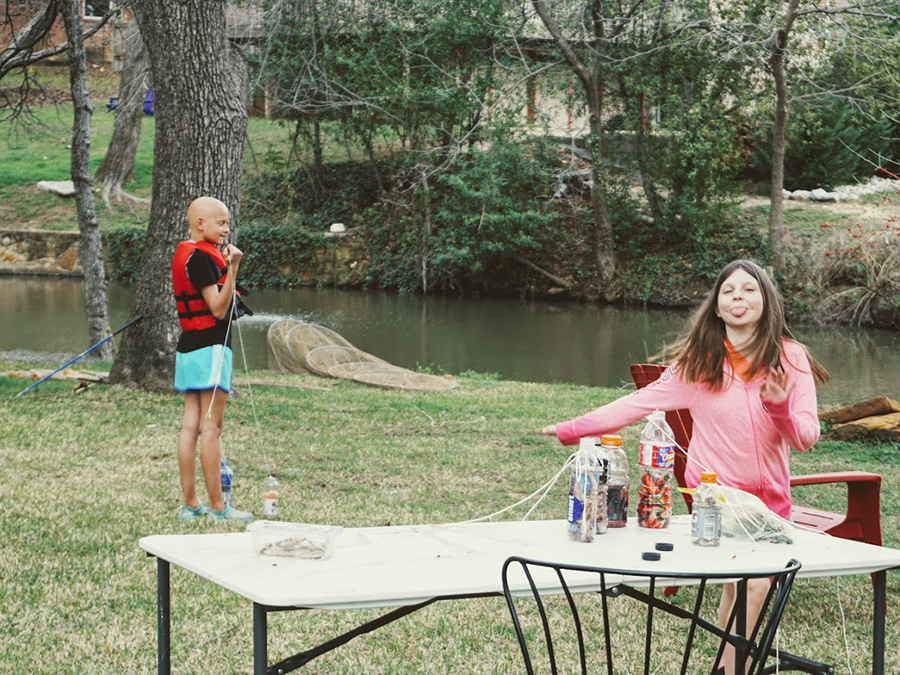
The girls participated in every part of the setup.
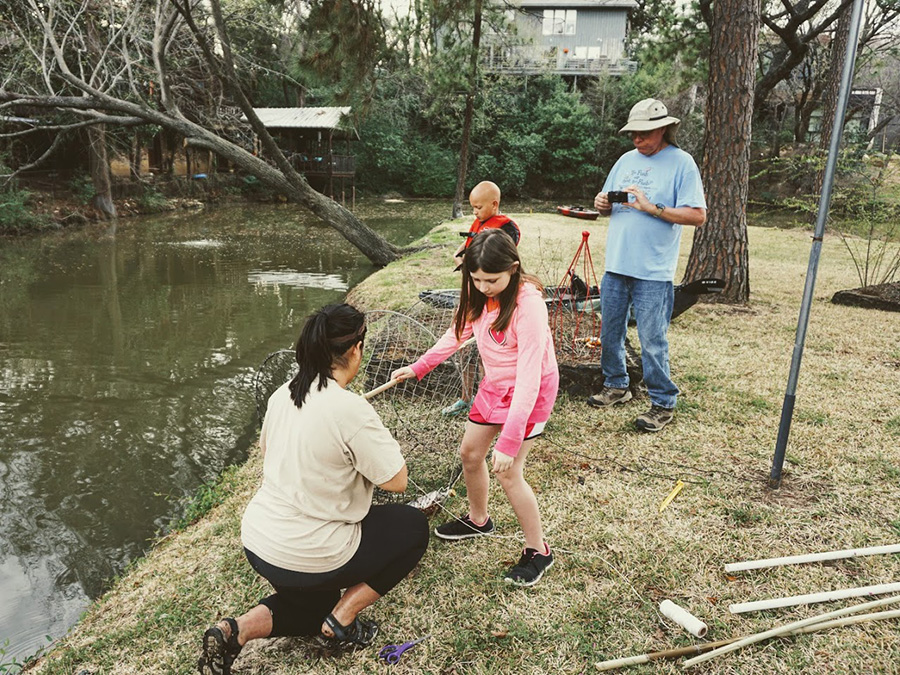

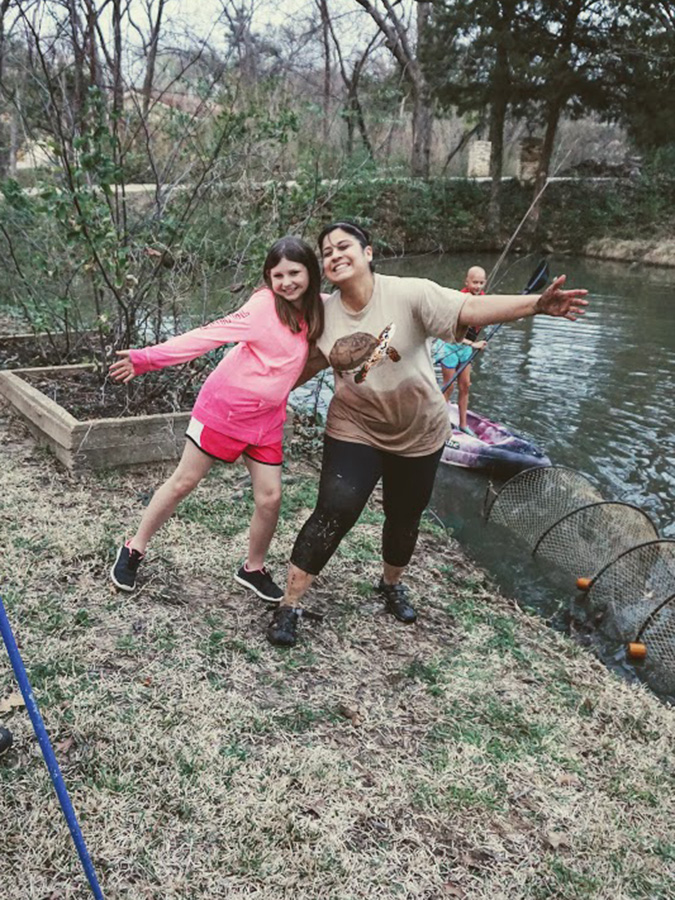
Viviana taught us that the traps must have air space at the top for the turtles to breathe.

Then, after all the prep work was finished, we put on our turtle pajamas (made by this girl) and used some leftover bait to catch crawfish. 
The only thing we caught was the neighborhood cat, Baxter.
Since Viviana wanted to be able to check the traps overnight (no injured turtles on her watch), we ended up with a slumber party! 
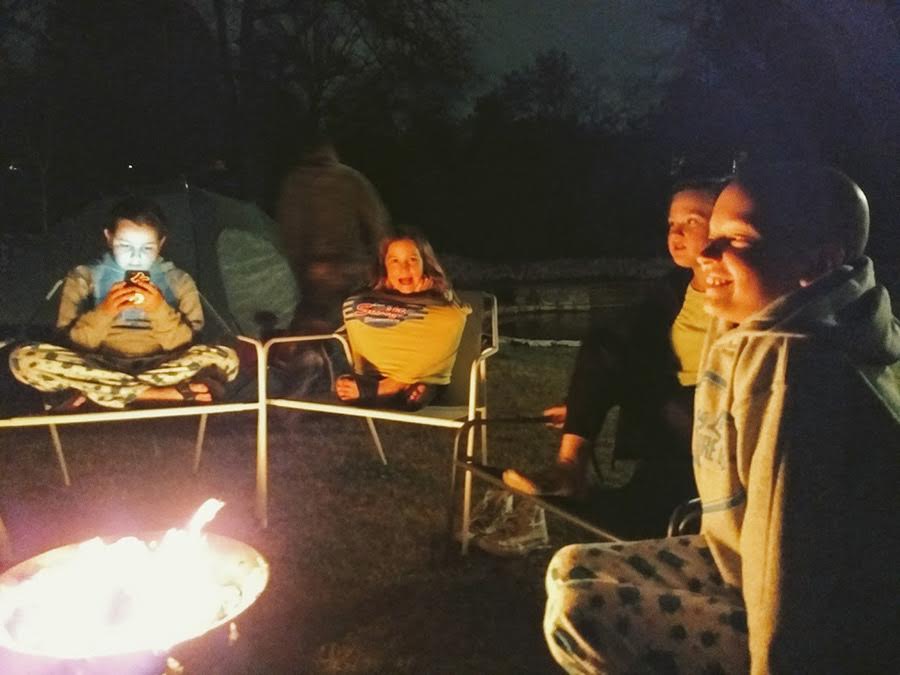
Here’s where we camped to be close to the turtles and the traps:
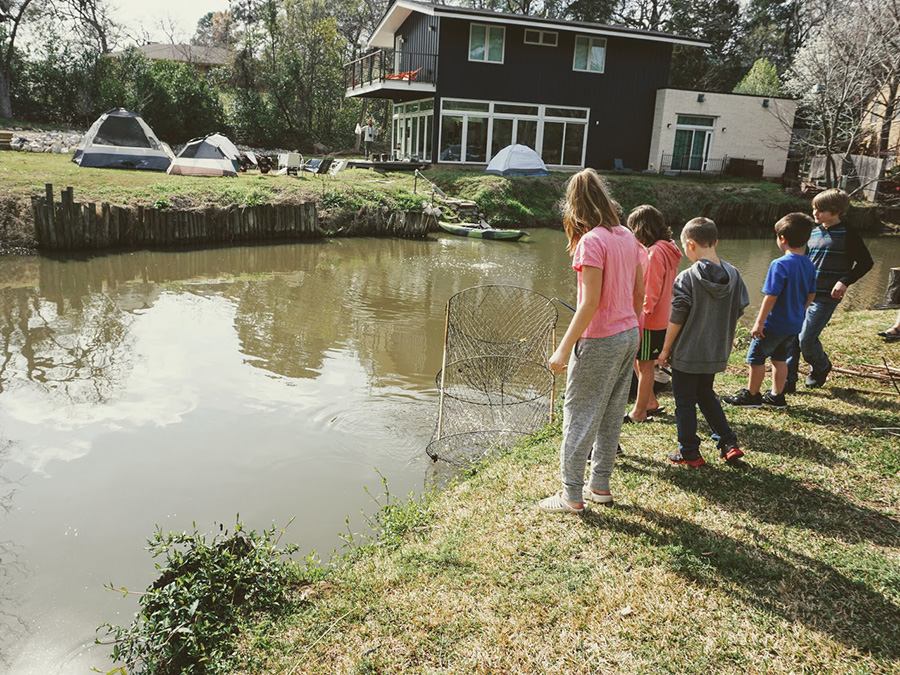
The next morning, the girls were rarin’ to go. 
Lindsay and Lennon had a special surprise for the survey team…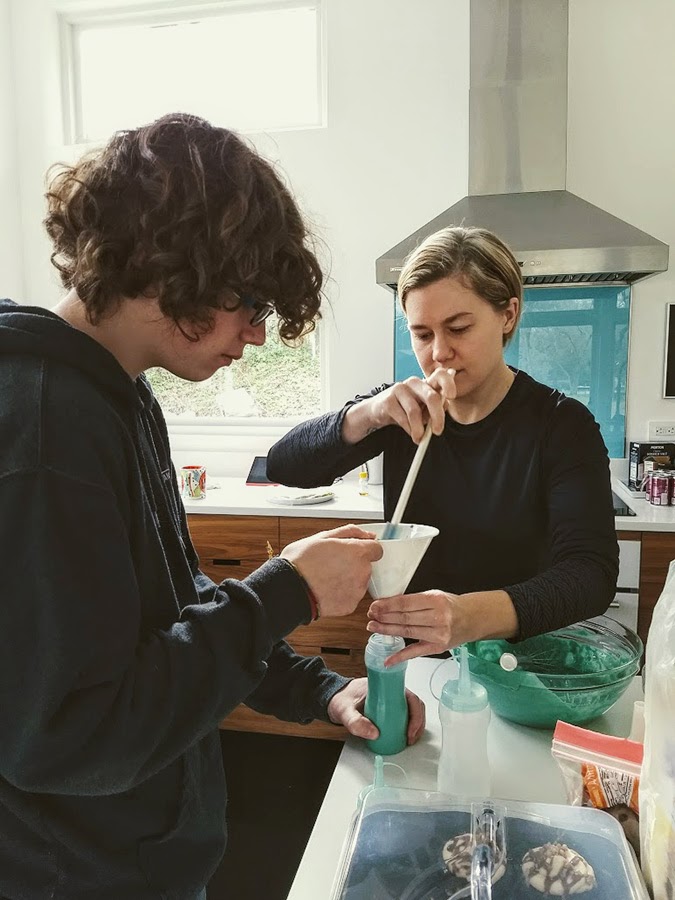
…turtle pancakes! How cool is that?!?
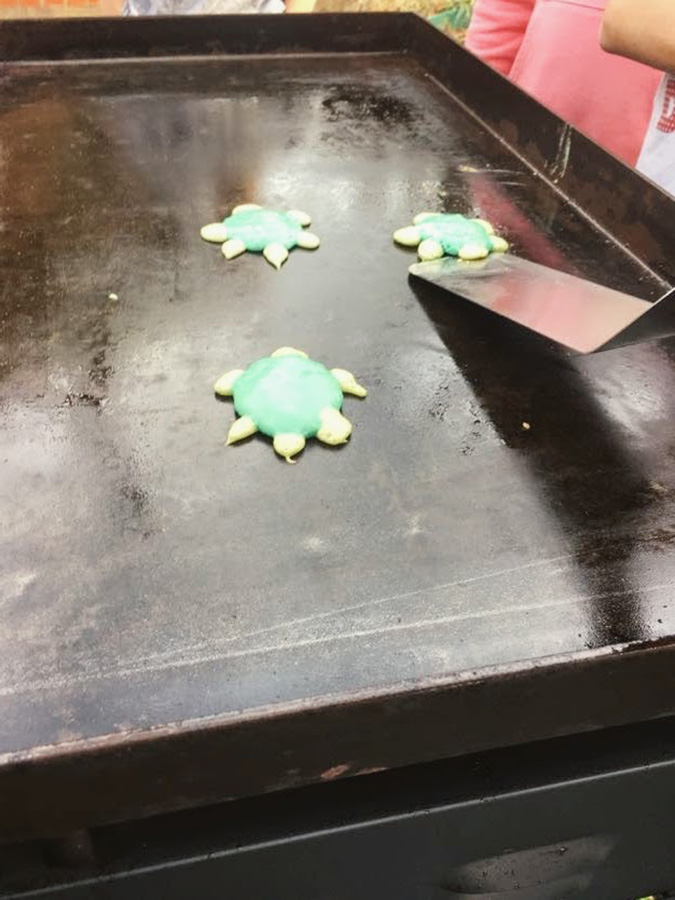
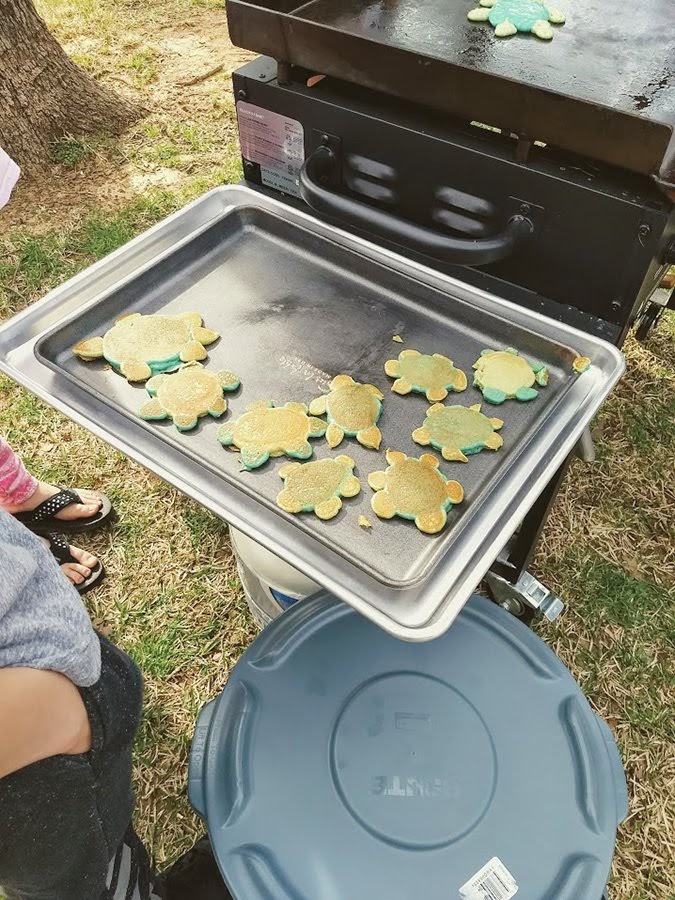

James made a special one for the club!
After breakfast, we started the real work of pulling in the traps. We ended up with three turtles. We had hoped for more, but it was early March, so it’s possible they weren’t as active and easy to trap. Or maybe Spring Lake is full of ridiculously smart critters who know how to avoid nets.


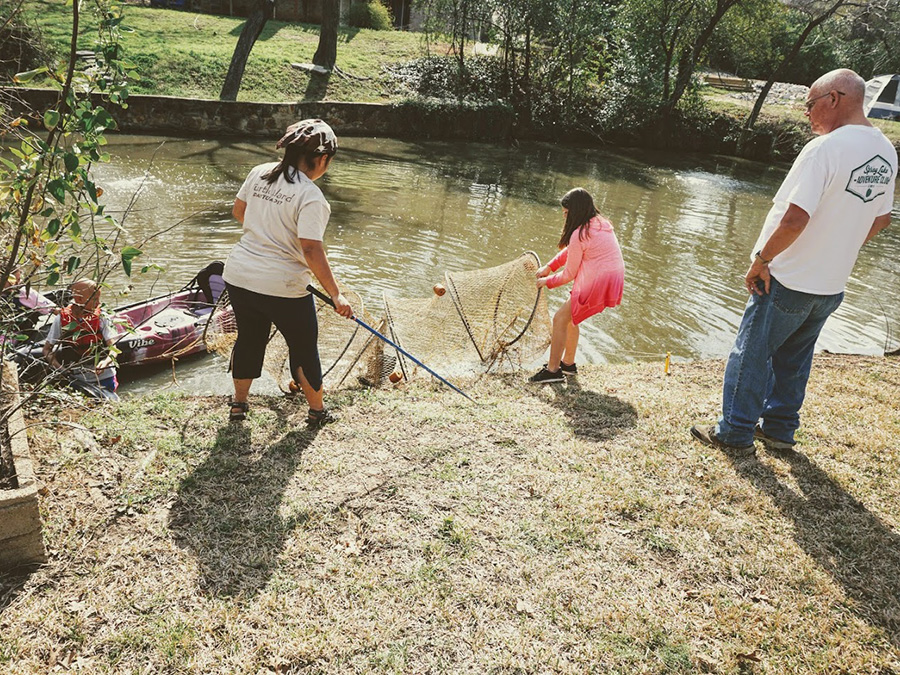
The girls used some serious kayaking skills while retrieving the nets.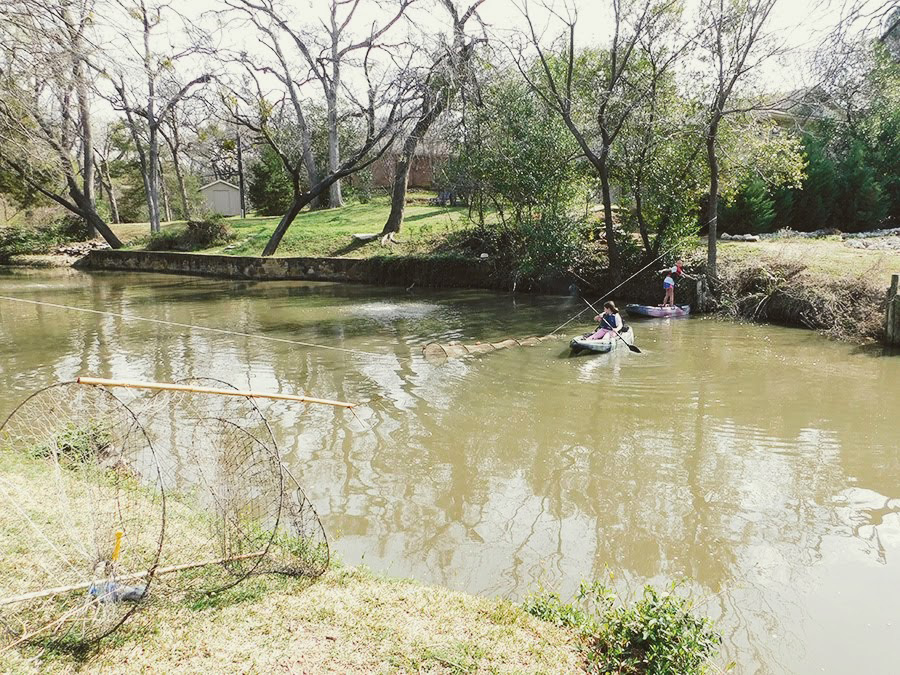

Working with these animals requires extreme caution. Viviana, Andrew, and Carl have been doing this for a long time. They know how to handle turtles.
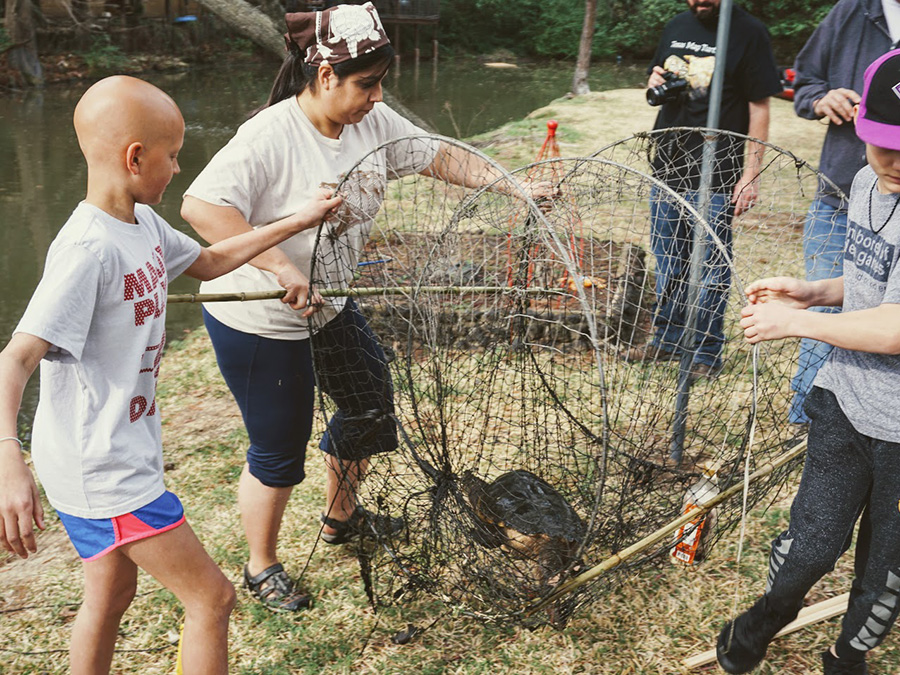
Viviana taught the kids how to safely maneuver the animals out of the nets.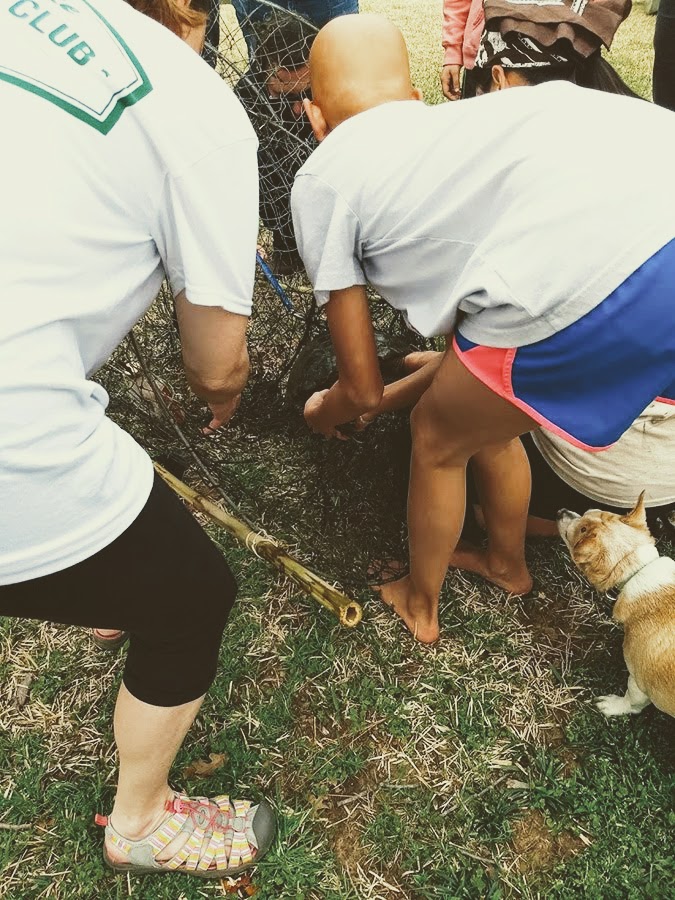
And where to best hold them—for the kiddo’s safety (no bites) and the turtle’s safety (no harm to the turtle). 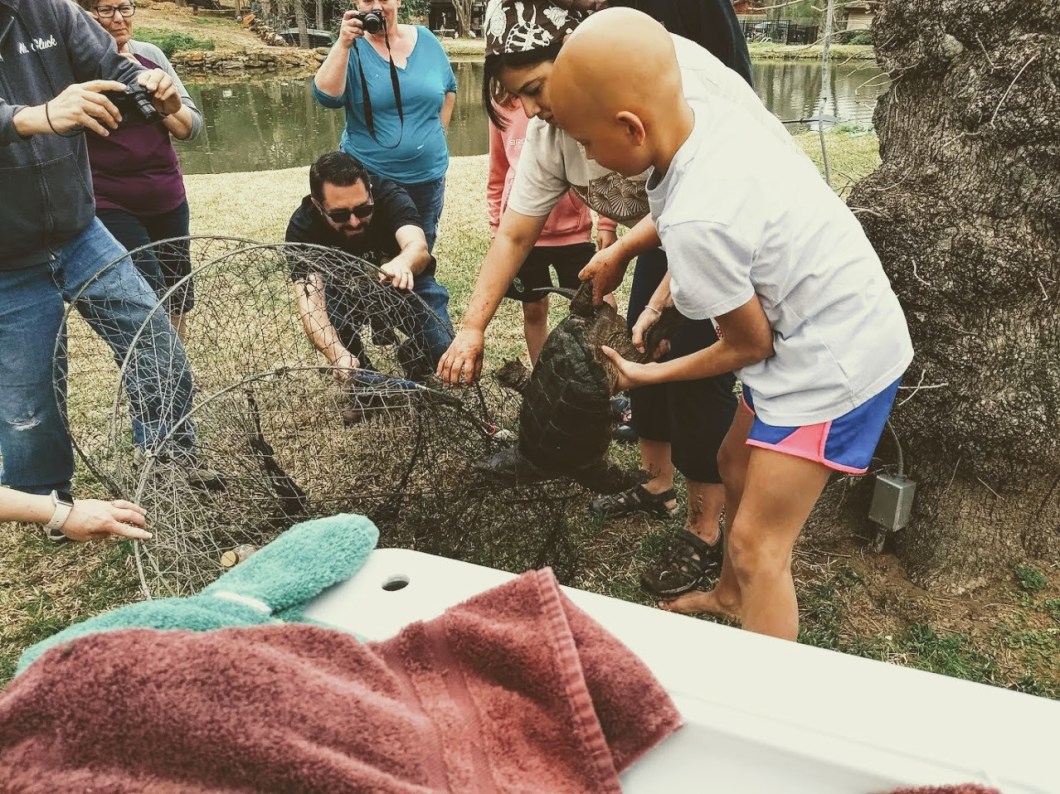
This SLAC-ker learned that holding a large turtle by its back legs is best. Never carry a turtle by its tail because you can injure is its spine. 
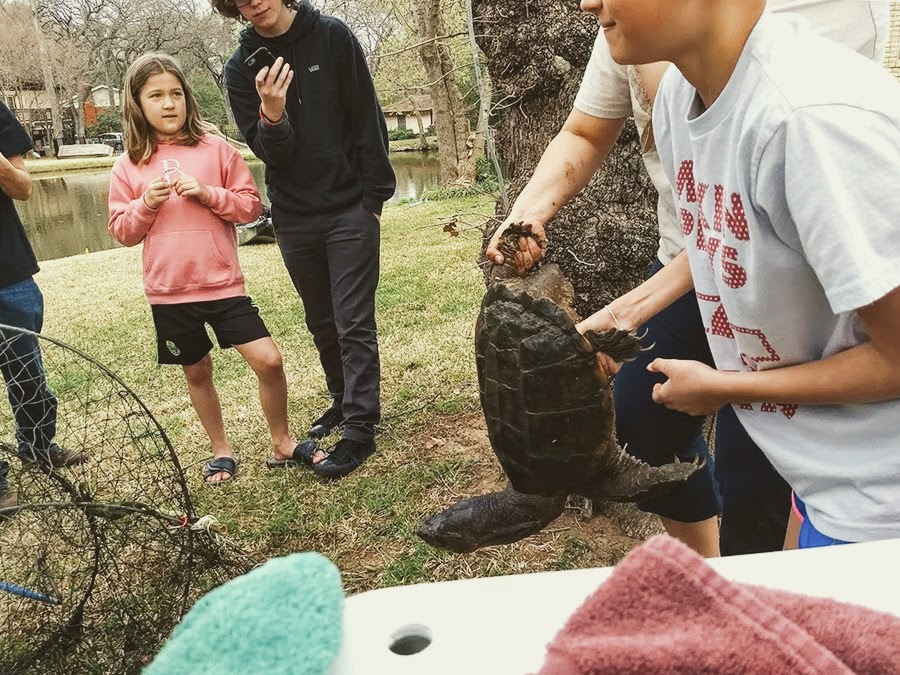
And just like a parent teaching a child to ride a bike, Viviana took her hands off the bike seat and let the kiddos do it on their own.
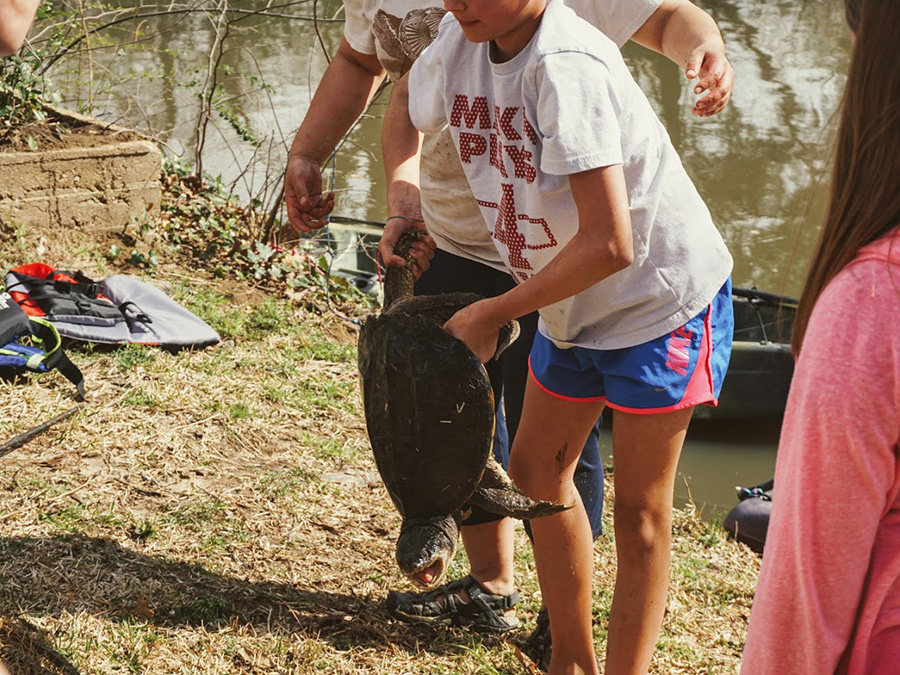
The kids weren’t the only ones excited about seeing these baby dinosaurs up close.
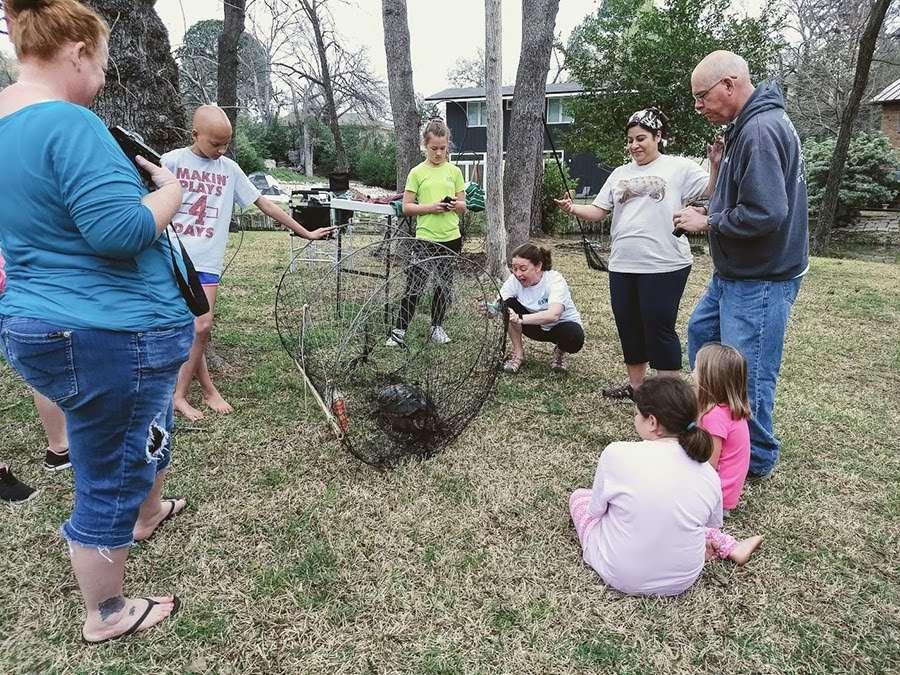
This fella chilled while the team retrieved the other nets.
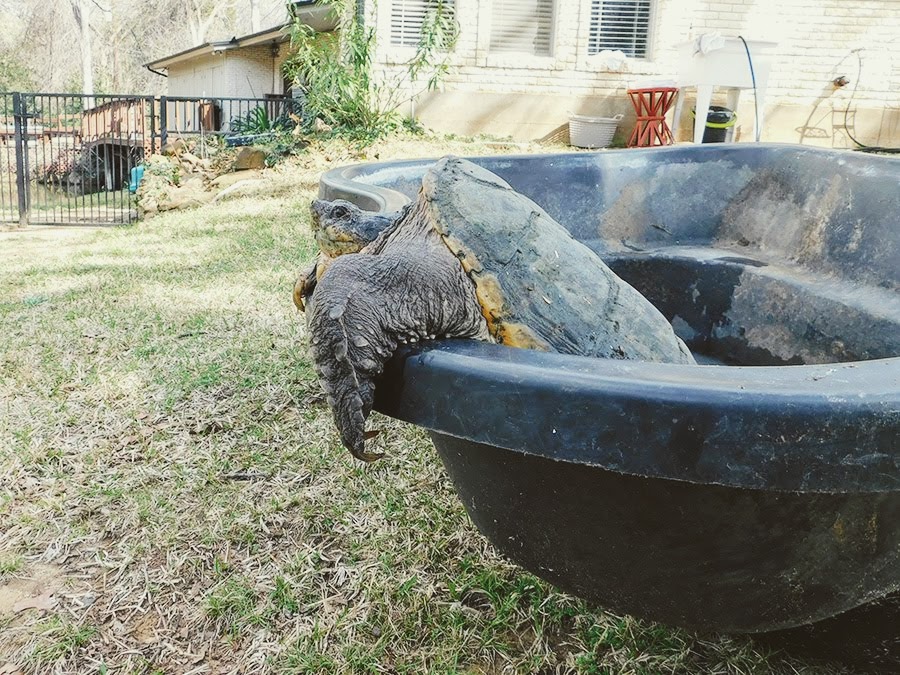
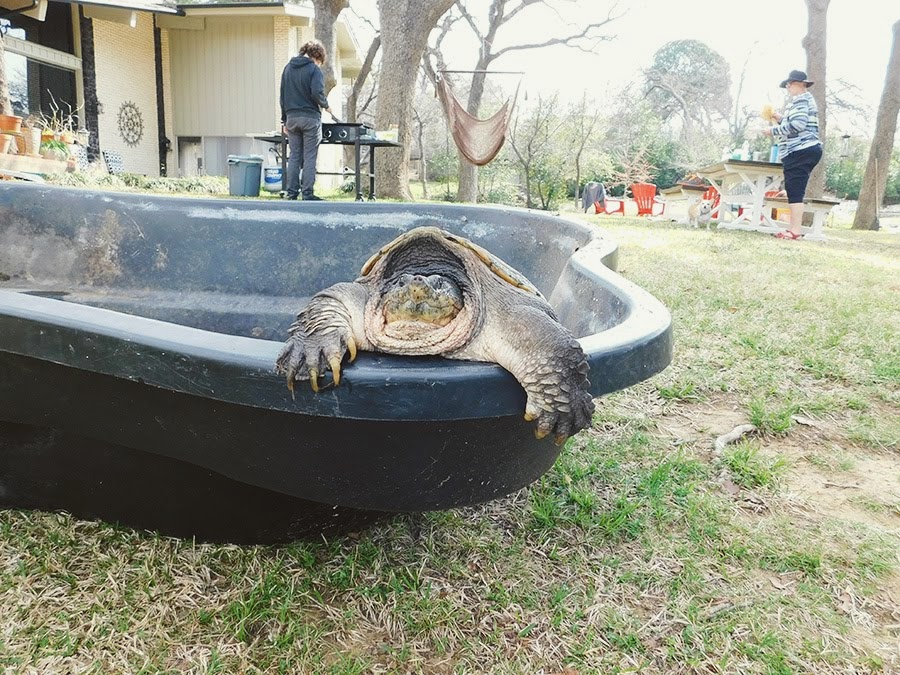
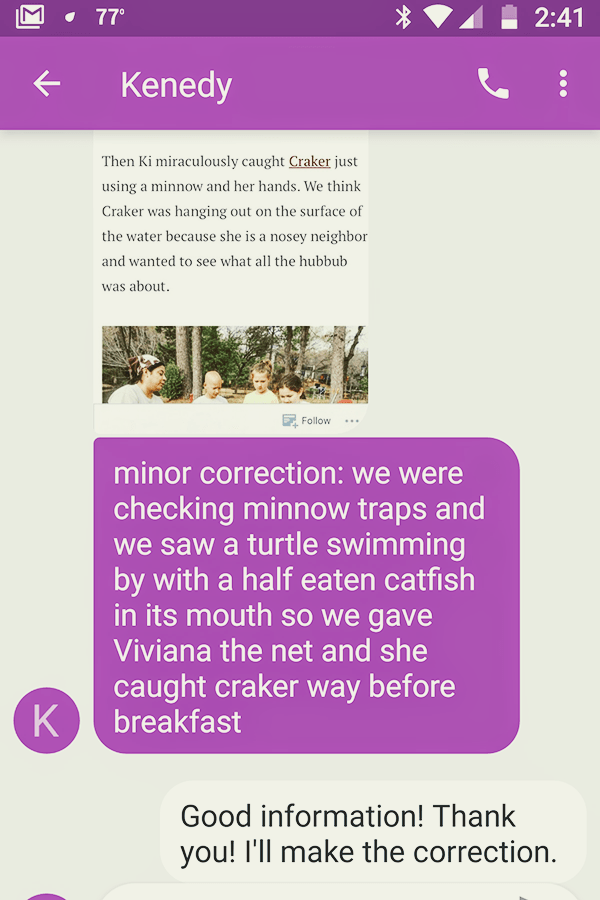
Then Ki miraculously caught Craker just using a minnow and her hands. We think Craker was hanging out on the surface of the water because she is a nosey neighbor and wanted to see what all the hubbub was about. In case you were wondering, the girls monitor this blog for accuracy.

This gave us a fantastic opportunity to check her health. That’s Andrew Brinker, a Paschal High School teacher and organizer of the Trinity River Turtle surveys, measuring Craker.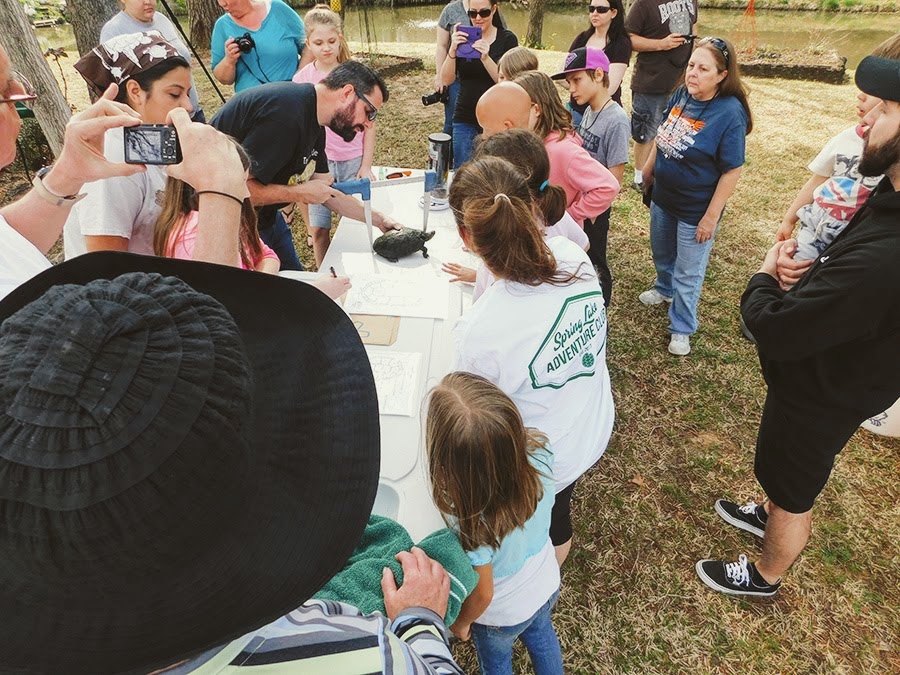

Cora wonders what sort of medieval torture device (also known as calipers) the adults are using.
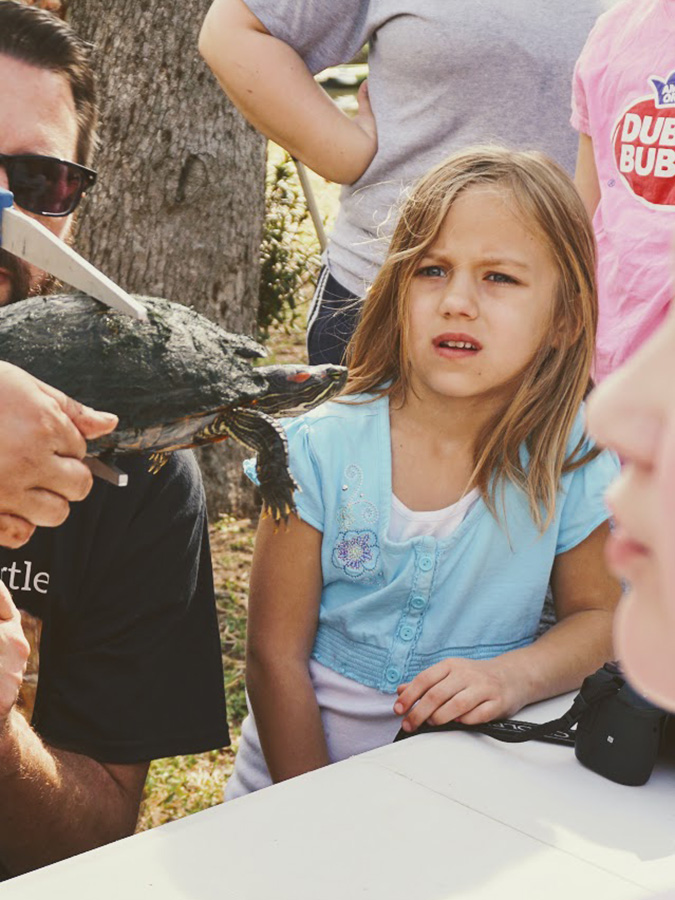
After Craker, it was time to measure the snappers.
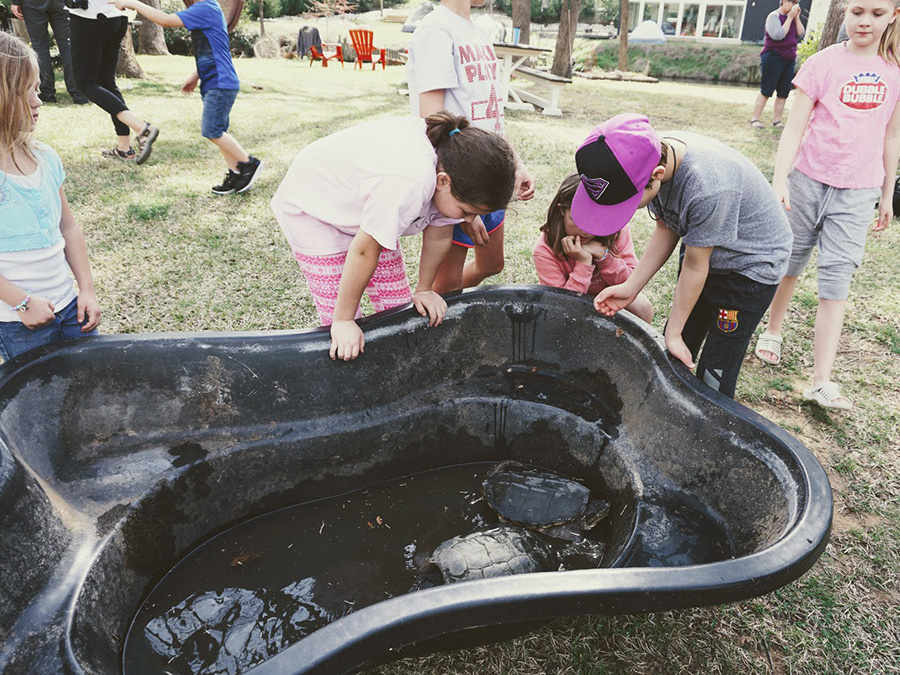
A SLAC-ker used what Viviana taught her to move a turtle to the table.

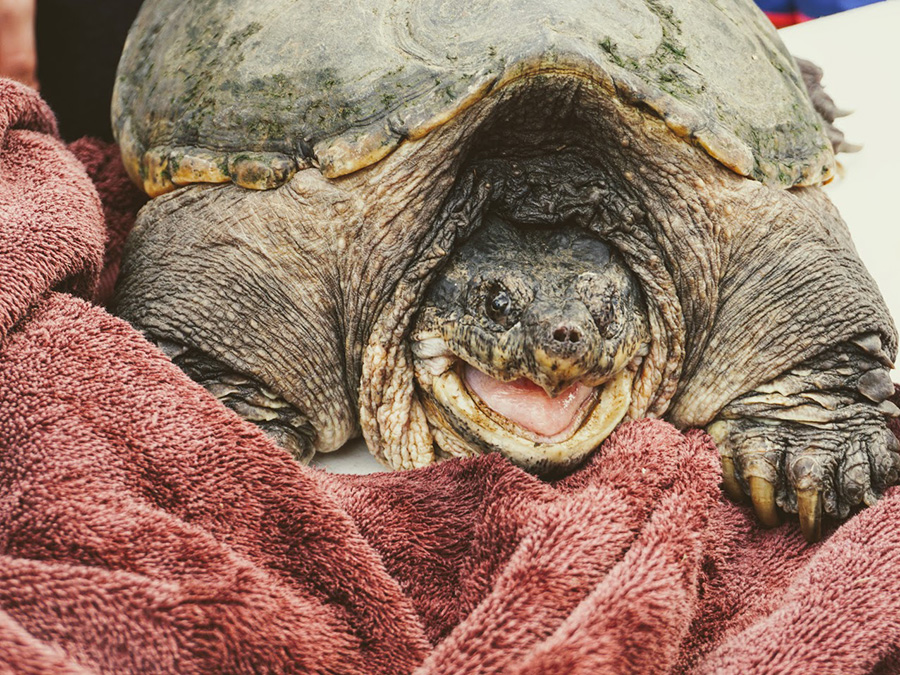
Towels are often placed over a snapper’s head to protect all involved during the measuring process. A SLAC-ker makes a note of the data in her field notebook.
Mr. Snappy feels as if he just had a day at the spa!
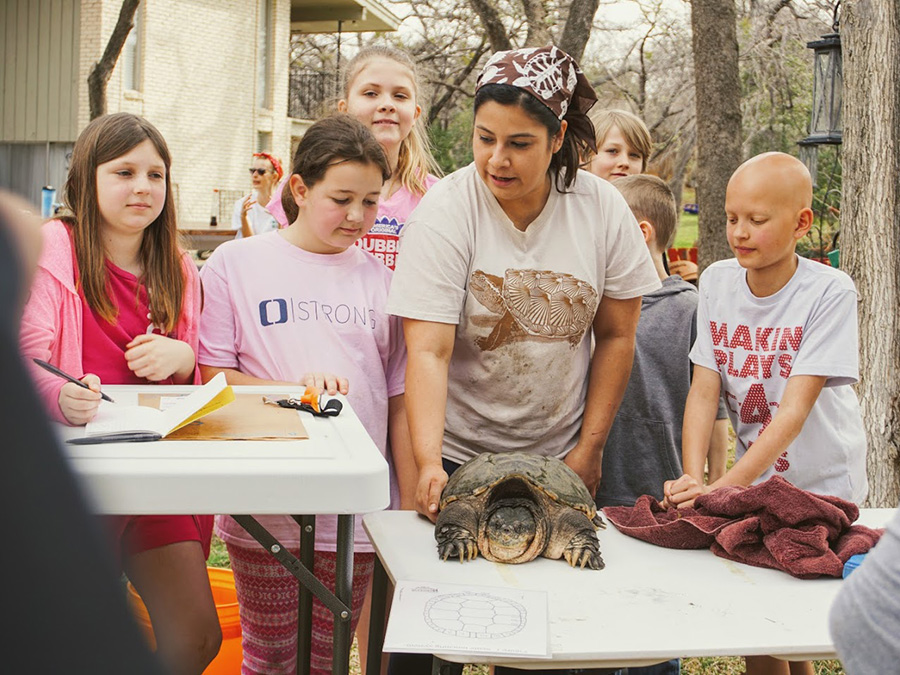
We realized we need a color other than white for the t-shirts we wear during field work. Brown. We probably need brown.

After we collected our data, it was time to let the turtles go.
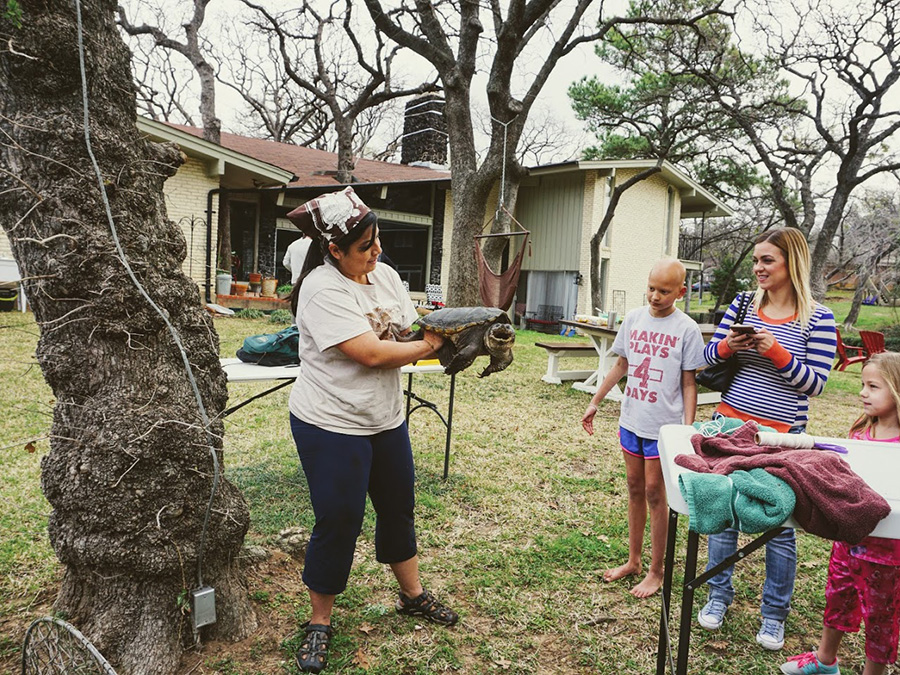
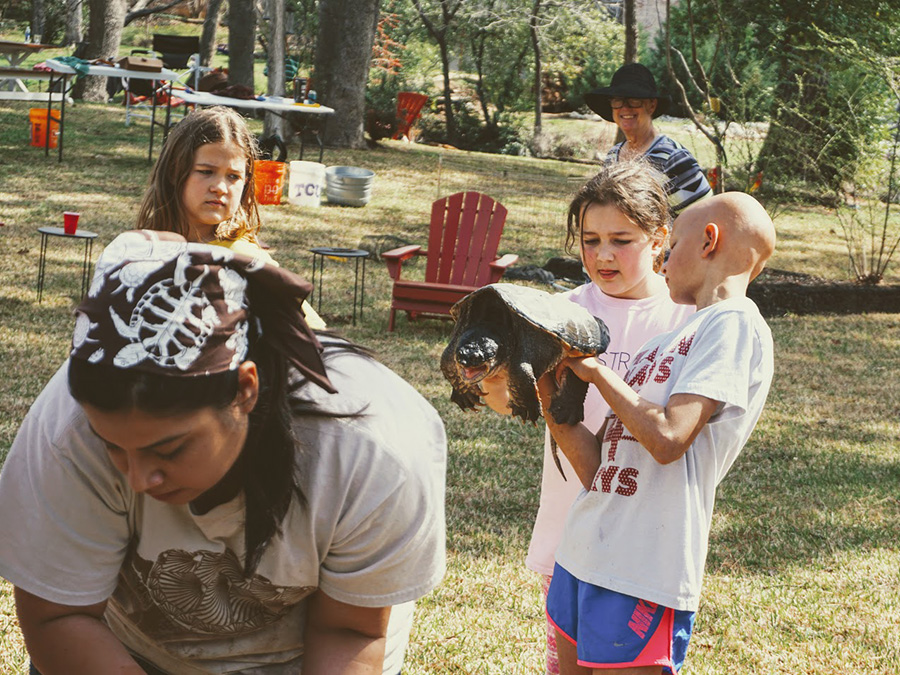
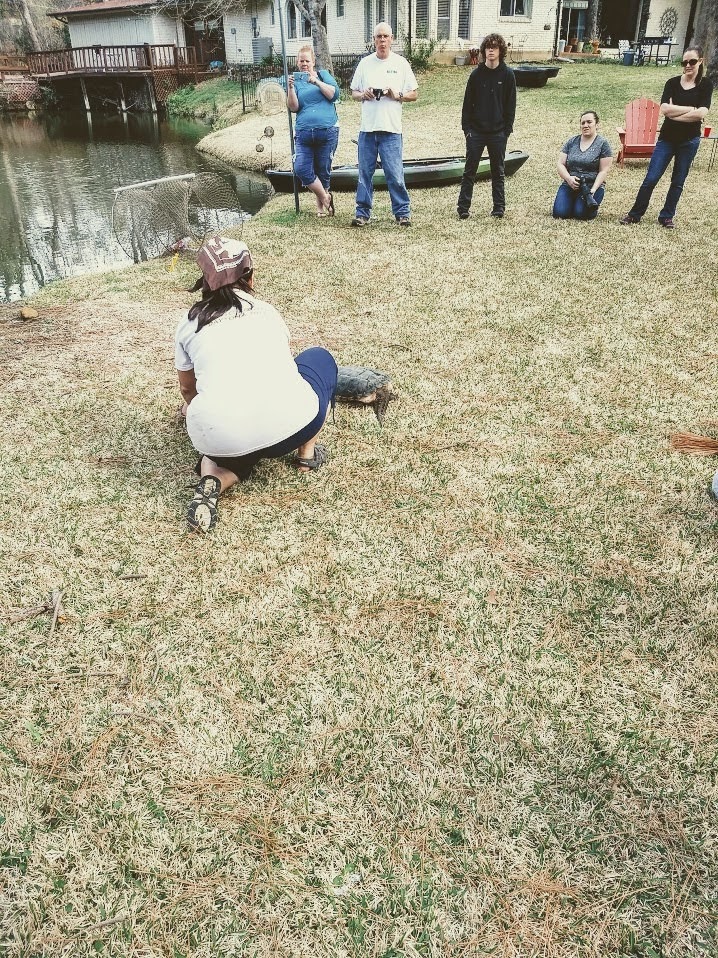
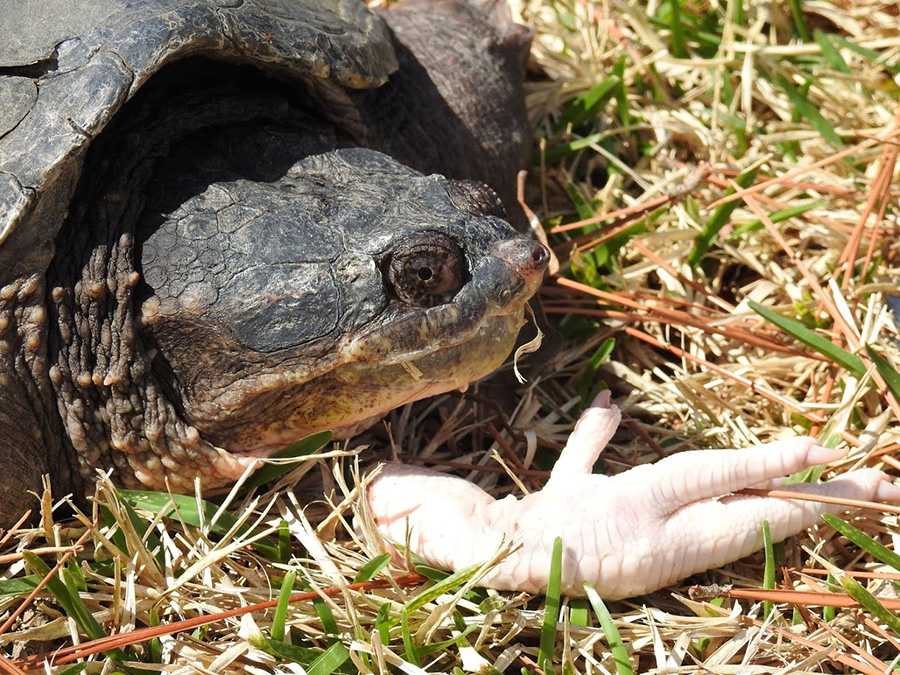
One was ready to get home, but the other one seemed to want to stay. 

Maybe he wanted more chicken feet.
Then it was time to clean up and return the things we borrowed. We’re grateful to our guests for helping with this work.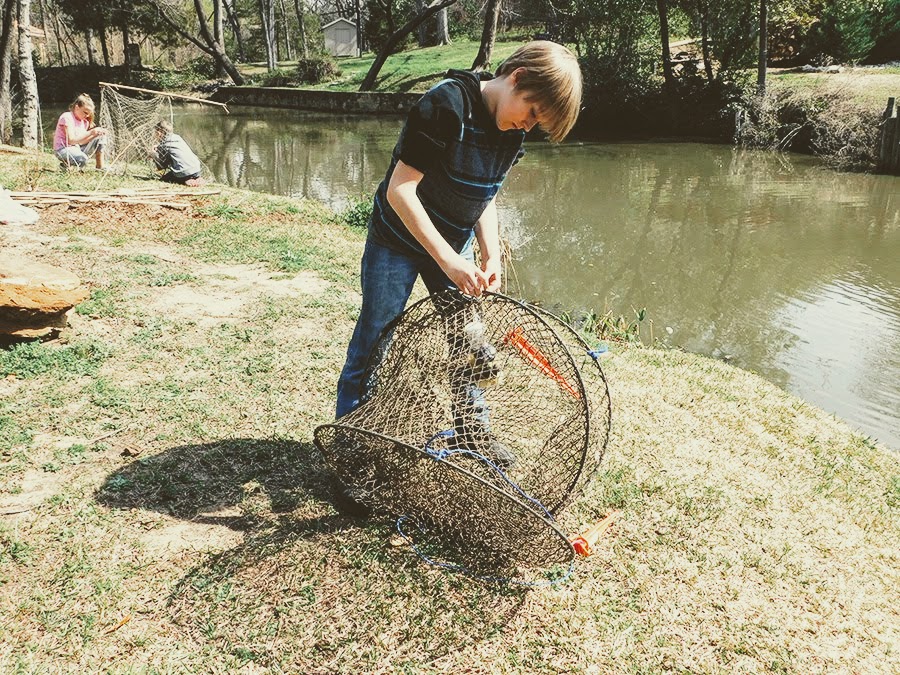
What a fantastic couple of days! Everyone learned so much—but the best part is that we had so much fun it didn’t seem like learning at all. That’s what happens when Viviana is around.
The SLAC-kers hope to hold regular Spring Lake turtle surveys so they can track the growth and health of these turtles. We’re all excited to see what five (or more) years of data can tell us. 
Follow up:
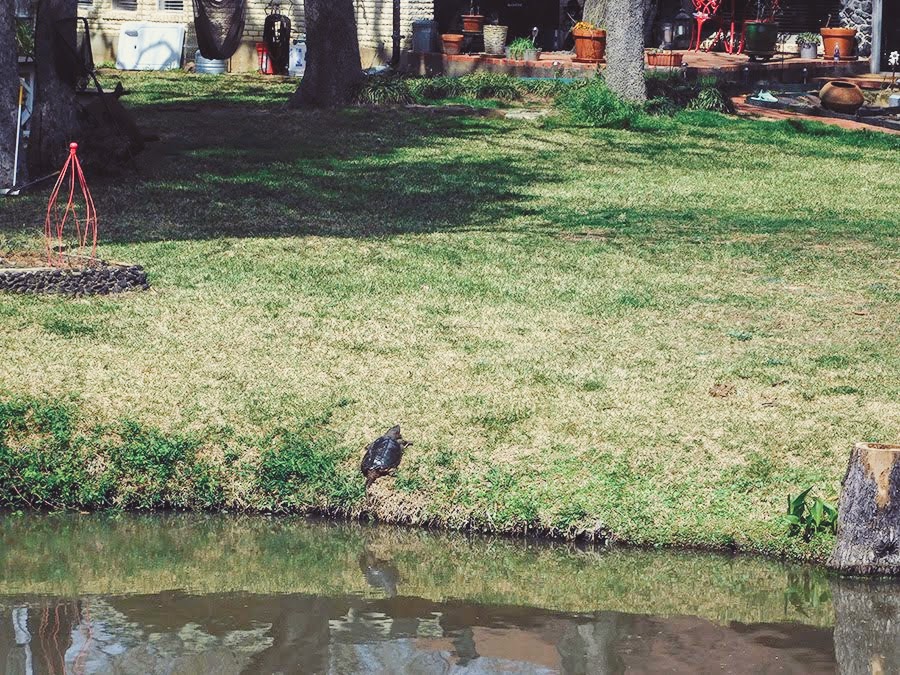
It couldn’t have been a terrible experience for the turtles, because a couple of days later a snapper showed up close to the spot where we released them. We like to think he was stopping by to say hi to us, but it’s more likely that he was looking for a leftover chicken foot.

Postscript
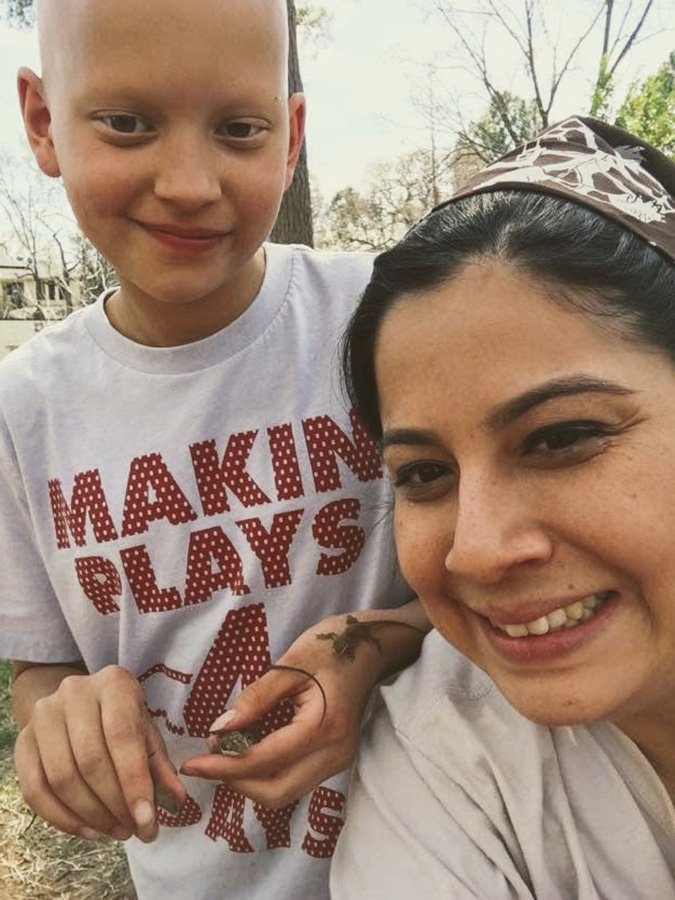
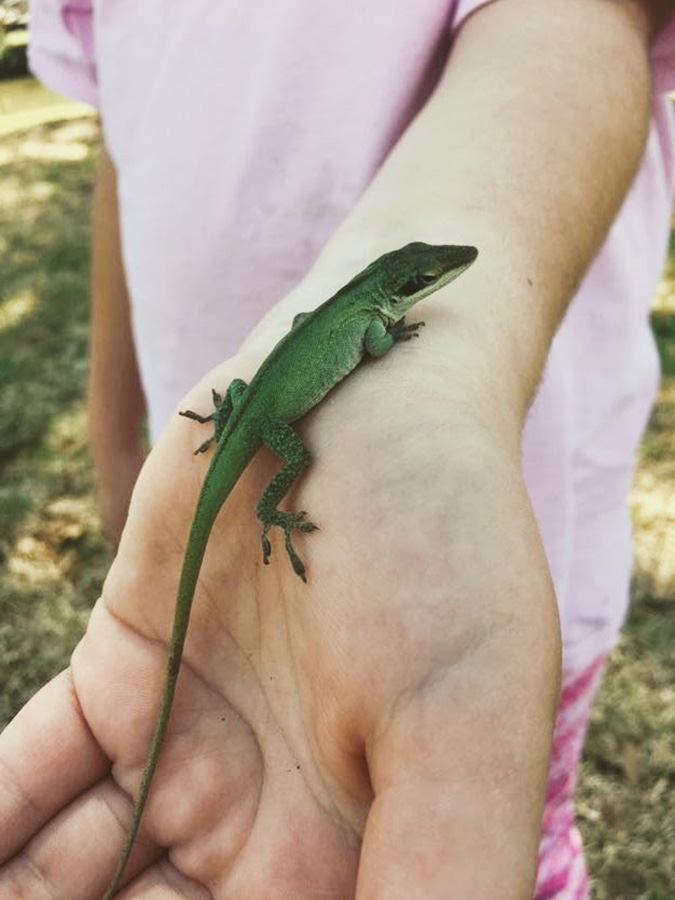
Looking through photos well after the fact, it’s clear that this event was not just about turtles. Here are a few pictures of the other critters Viviana and the girls found.


 Chronicles of the Spring Lake Adventure Club
[…] original plan included taking the pupper to the vet and then catching up with Viviana to help with another turtle survey. By 8 am we were working on Plan […]
LikeLike
[…] an email to Katie about Craker’s new stats (remember, we found her during the recent Spring Lake Turtle Survey). We’ve mentioned before that it’s almost unheard of for veterinarians or wildlife […]
LikeLike
[…] to the Spring Lake Adventure Club, March 2018 was the Month of the Turtle. Evidence: Turtley fun March 9-10, March 12, March 21, and March […]
LikeLike
[…] didn’t catch any softshells at the last turtle survey, so we were happy to see this […]
LikeLike